11 Plant Decor Ideas for a Fresh Modern Look
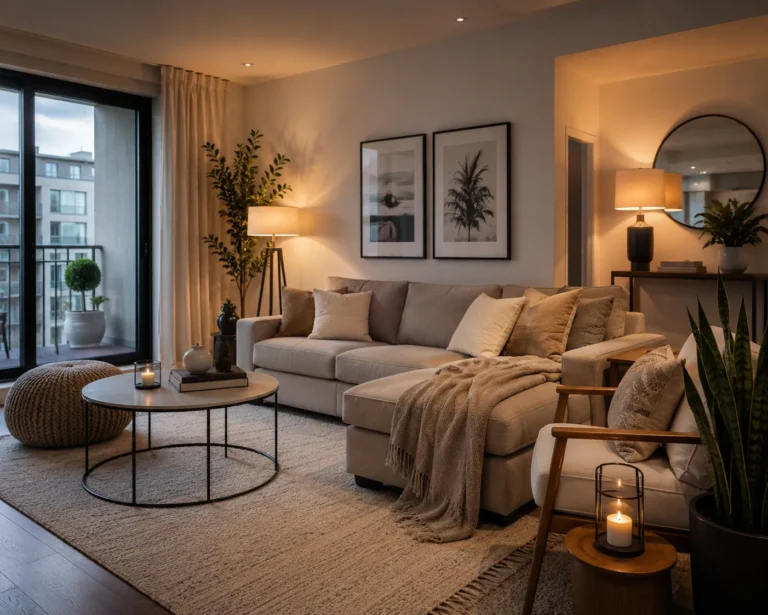
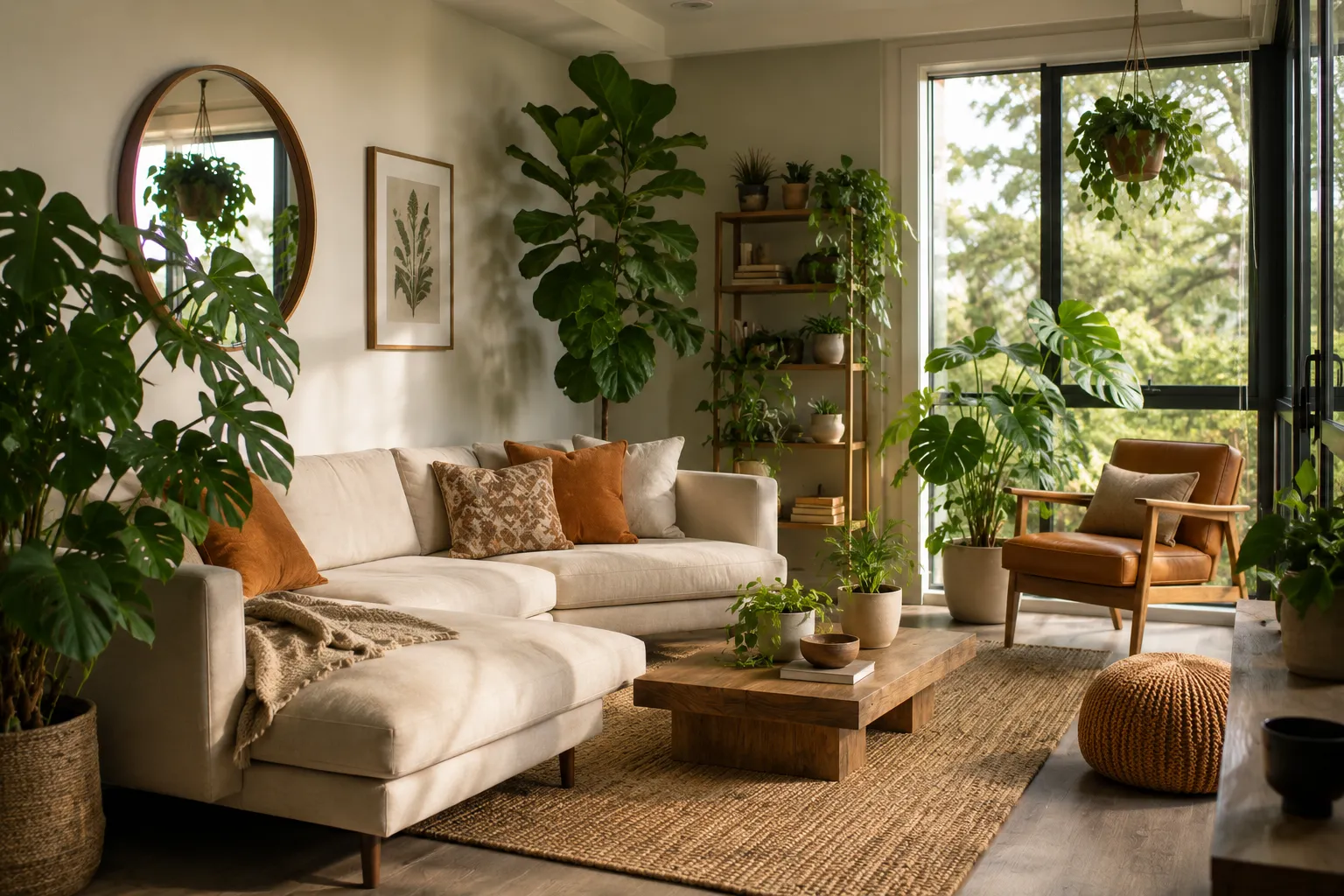
In recent years, Plant Decor has become one of the most influential trends in interior design. More than just a visual enhancement, incorporating plants into your home or workspace creates a calming atmosphere, improves air quality, and connects you to nature in a meaningful way. Whether you live in a compact apartment or a spacious home, plant decor offers endless possibilities to elevate your surroundings.
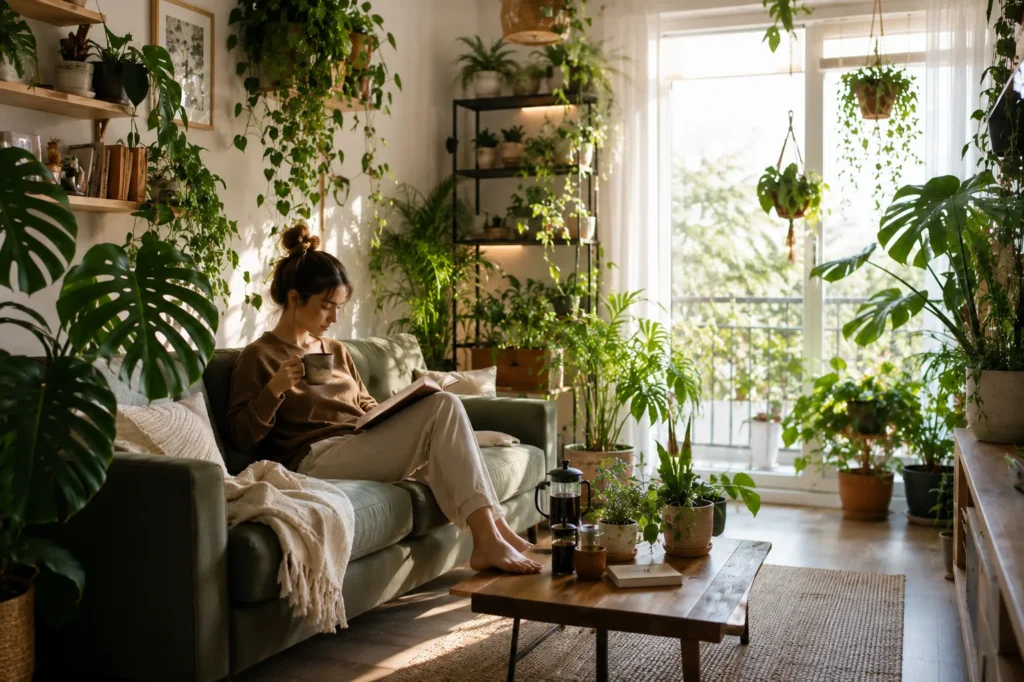
This blog explores how you can thoughtfully integrate plant decor into your interior design, choose the right plants, and maintain them effectively—without overwhelming your space or your schedule.
Why Plant Decor Matters in Modern Living
The rise of urban living has distanced many people from nature. Plant Decor serves as a bridge between indoor environments and the natural world. Studies have shown that being around greenery can reduce stress, boost mood, and even increase productivity.
Beyond wellness benefits, plant decor enhances aesthetics. A strategically placed plant can soften harsh lines, add color to neutral palettes, and bring life to otherwise dull corners. Unlike static decor items, plants grow and evolve, adding a dynamic quality to your space.
Choosing the Right Plants for Your Space
Not all plants are suitable for every environment. When planning your plant decor, consider factors such as lighting, humidity, and available space.
1. Low-Light Areas
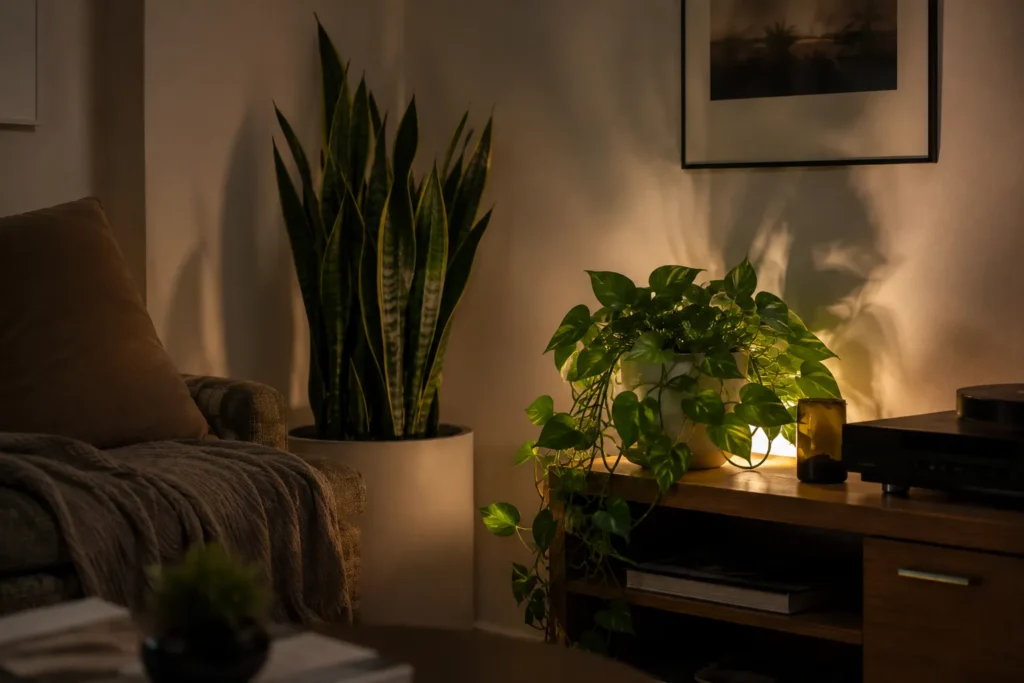
If your space lacks natural sunlight, opt for plants that thrive in shade. Examples include snake plants, pothos, and ZZ plants. These are perfect for offices or rooms with small windows.
2. Bright and Sunny Spaces
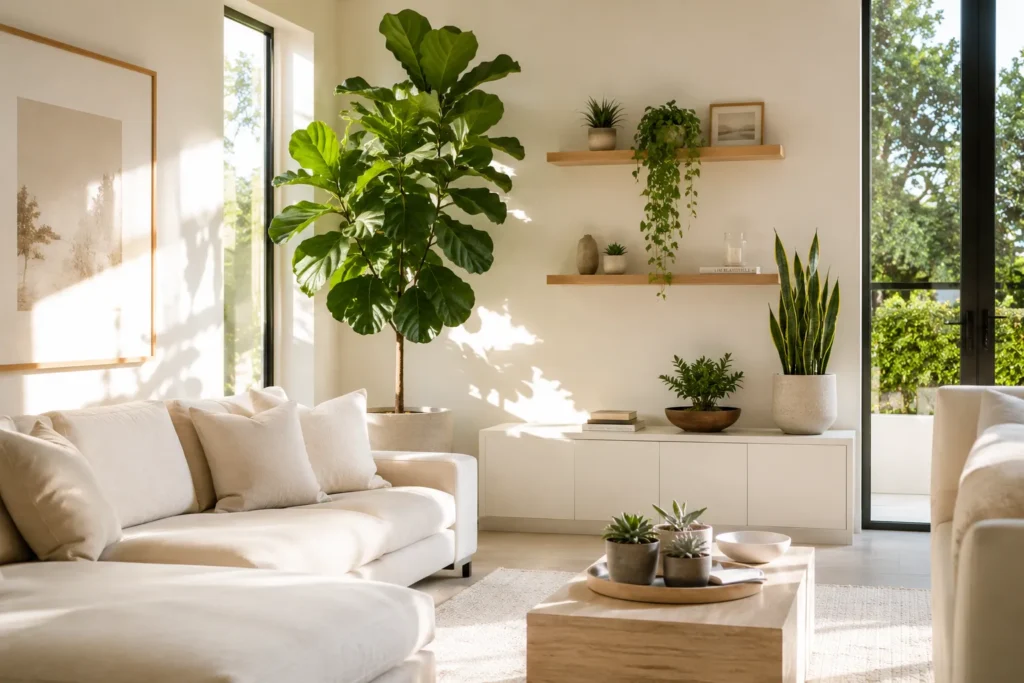
For rooms with ample sunlight, consider succulents, fiddle leaf figs, or rubber plants. These plants flourish in well-lit environments and can become focal points in your decor.
3. Small Spaces
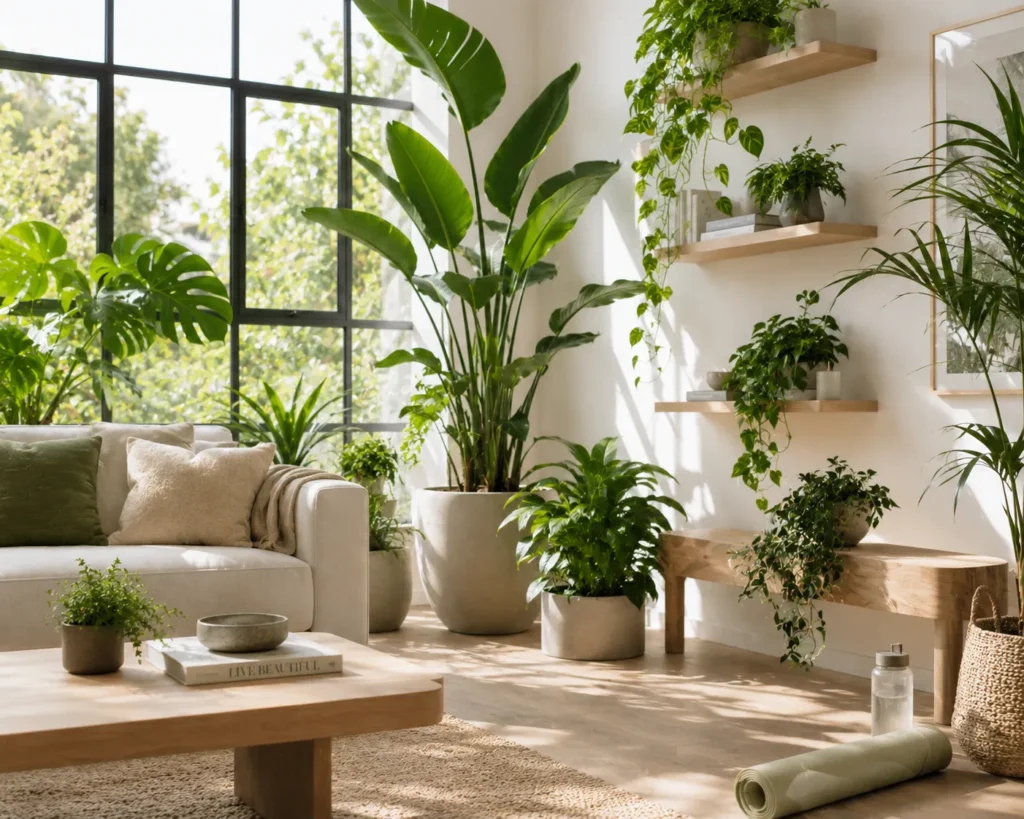
If you’re working with limited room, vertical plant decor is ideal. Hanging planters, wall-mounted pots, or shelves can maximize greenery without occupying floor space.
4. Large Spaces
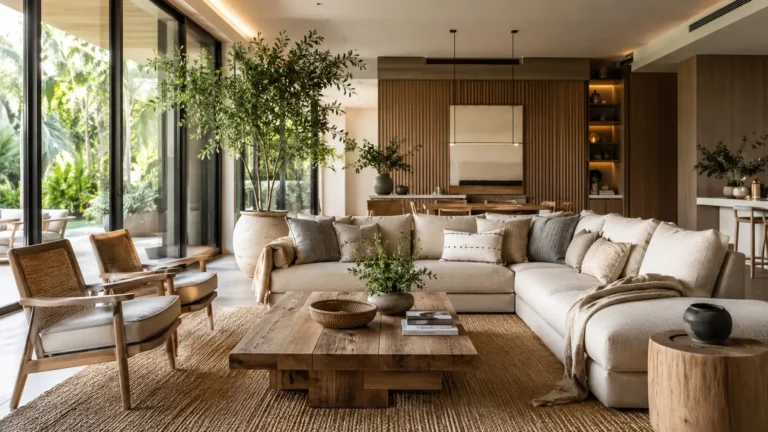
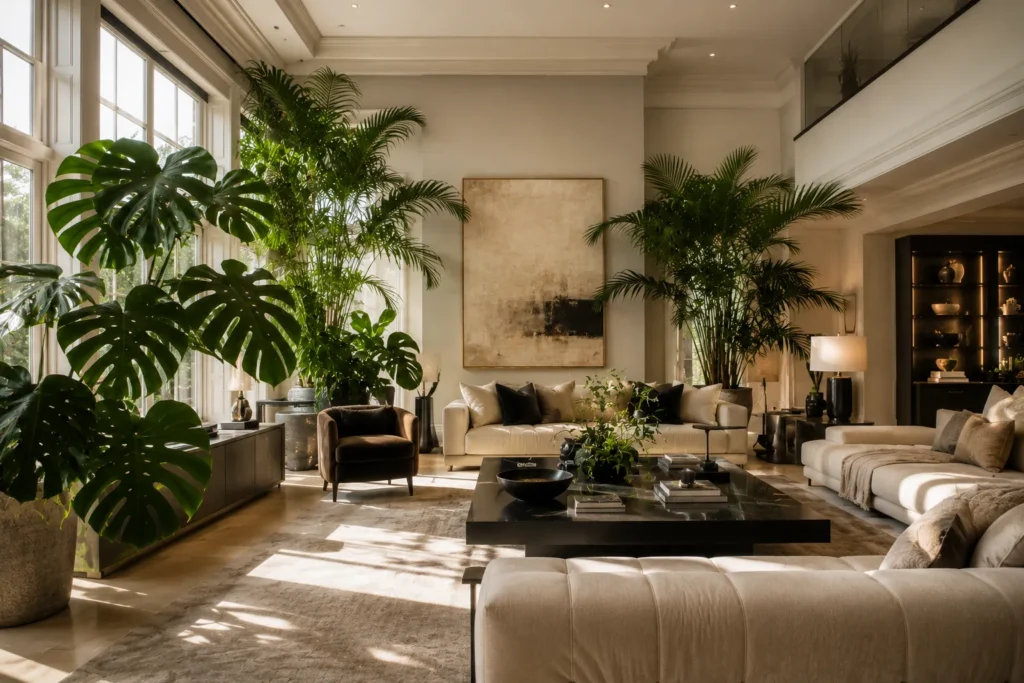
For bigger rooms, statement plants like monstera or indoor palms can anchor the design and create a bold visual impact.
Creative Plant Decor Ideas
1. Living Walls
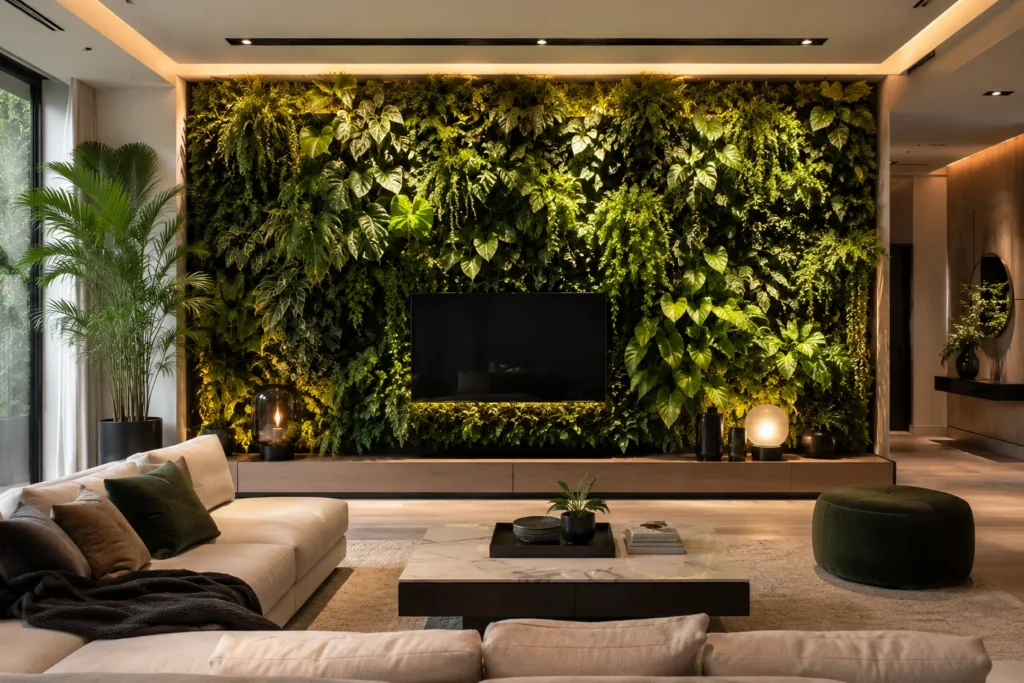
A living wall is one of the most striking ways to incorporate plant decor. It transforms an entire wall into a lush green feature, perfect for modern interiors.
2. Hanging Planters
Hanging plants add dimension and draw the eye upward. They’re particularly useful in small apartments where floor space is limited.
3. Plant Corners
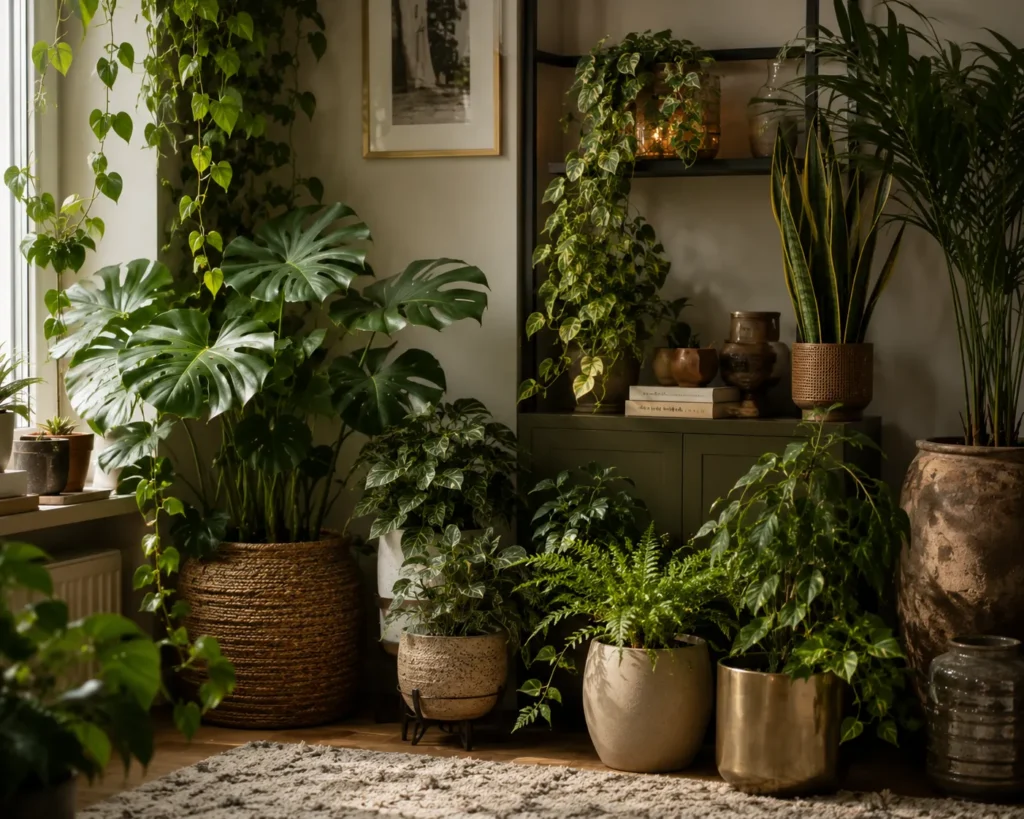
Dedicate a corner of your room to a cluster of plants. Mix different sizes, textures, and pot styles to create a layered, natural look.
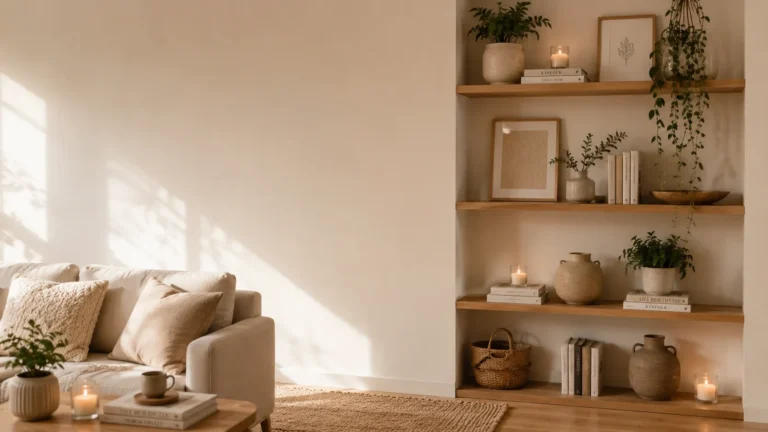
4. Shelf Styling with Plants
Integrate plants into your shelves alongside books and decor items. This approach adds freshness without requiring additional space.
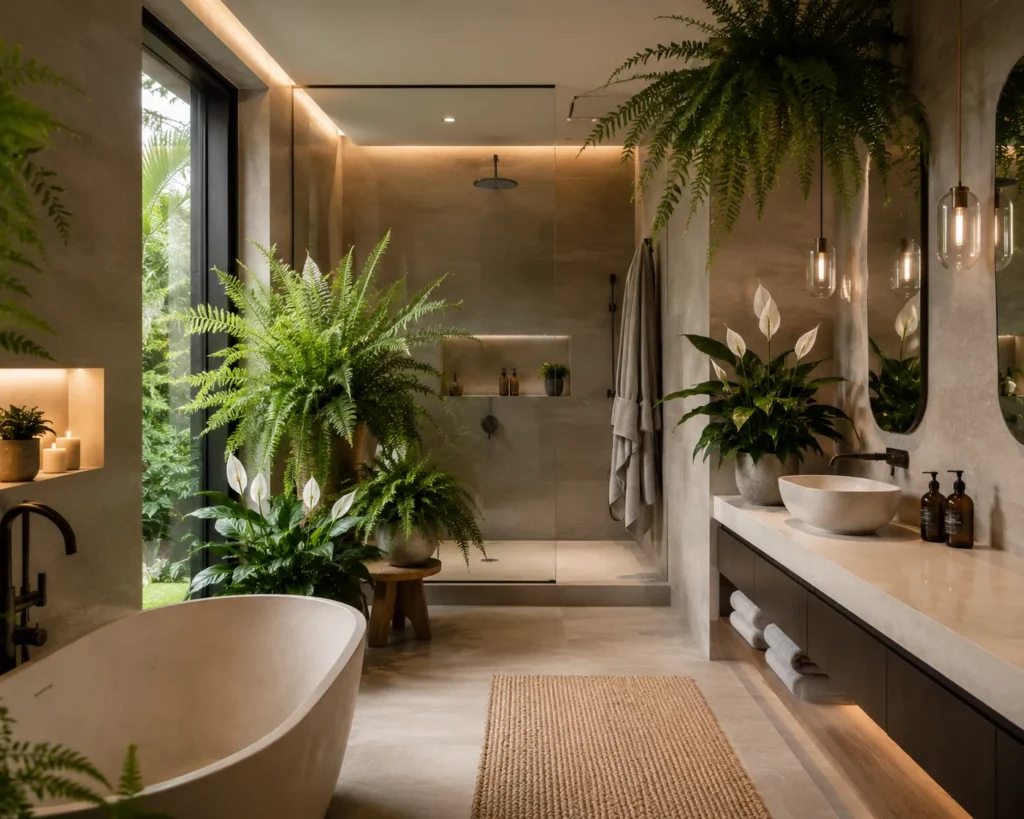
5. Bathroom Greenery
Bathrooms often have higher humidity, making them ideal for certain plants like ferns and peace lilies. Plant decor in bathrooms creates a spa-like ambiance.
Matching Plant Decor with Interior Styles
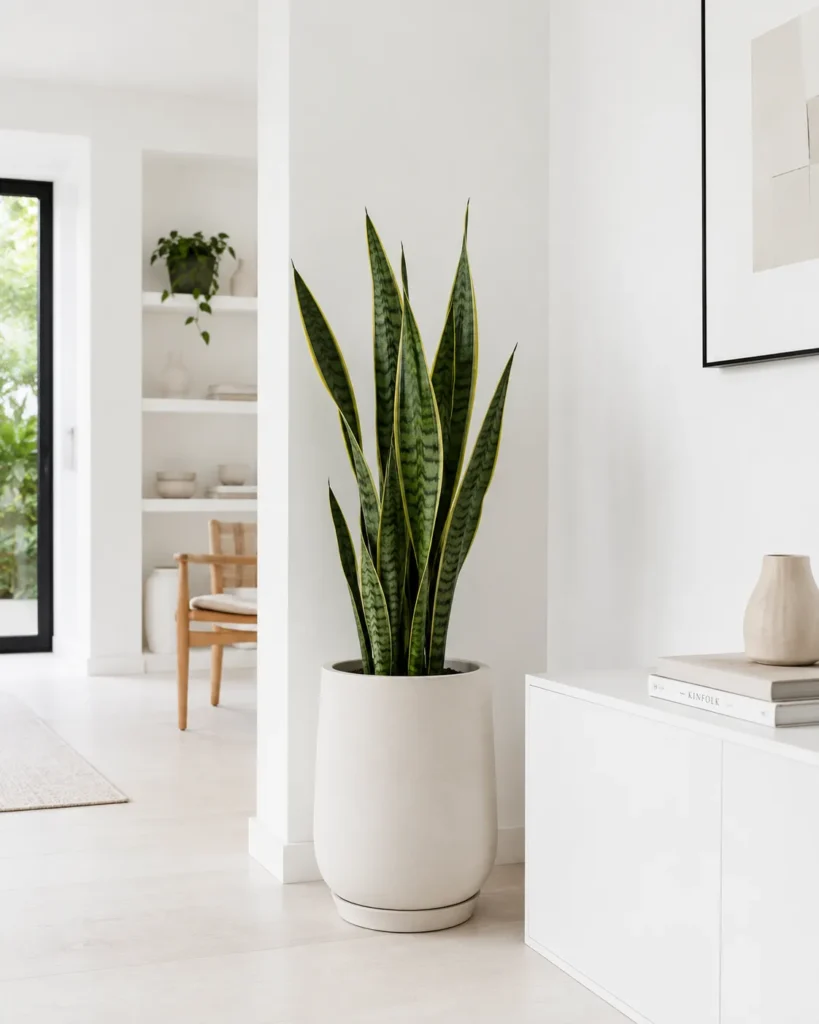
Minimalist Design
For minimalist spaces, choose a few carefully selected plants with clean-lined pots. Avoid overcrowding to maintain simplicity.
Bohemian Style
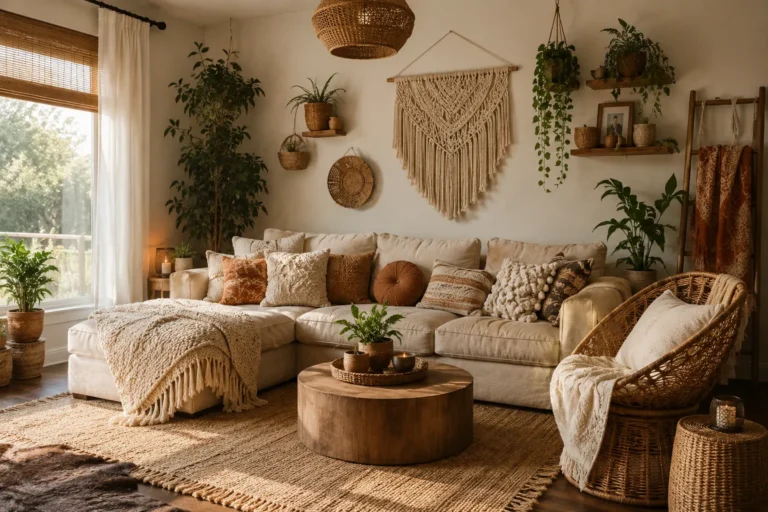
Boho interiors thrive on abundance. Combine various plants, textures, and colorful pots to create a relaxed, eclectic vibe.
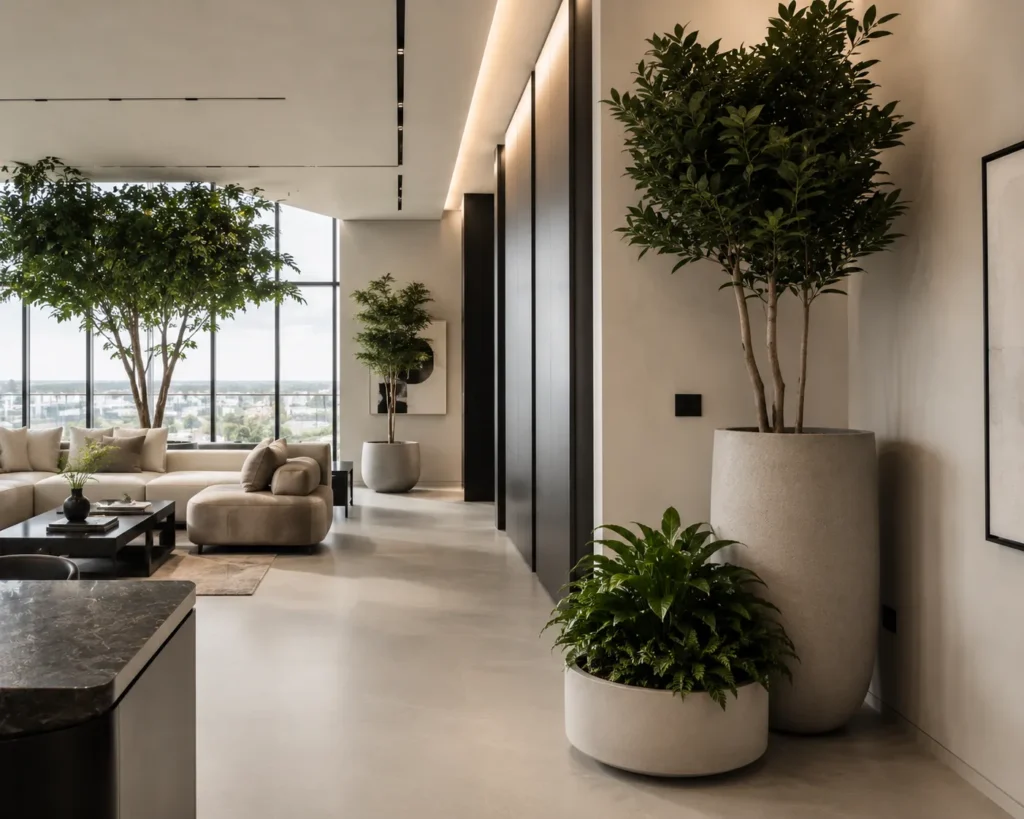
Modern Interiors
Stick to structured plants like snake plants or fiddle leaf figs. Pair them with sleek, neutral planters for a contemporary look.
Rustic and Natural Themes
Use earthy pots and wooden stands. Plants like ferns and ivy complement rustic interiors beautifully.
The Role of Pots and Planters
Plant decor isn’t just about the plants themselves—it’s also about how you present them. Pots and planters play a crucial role in enhancing your overall design.
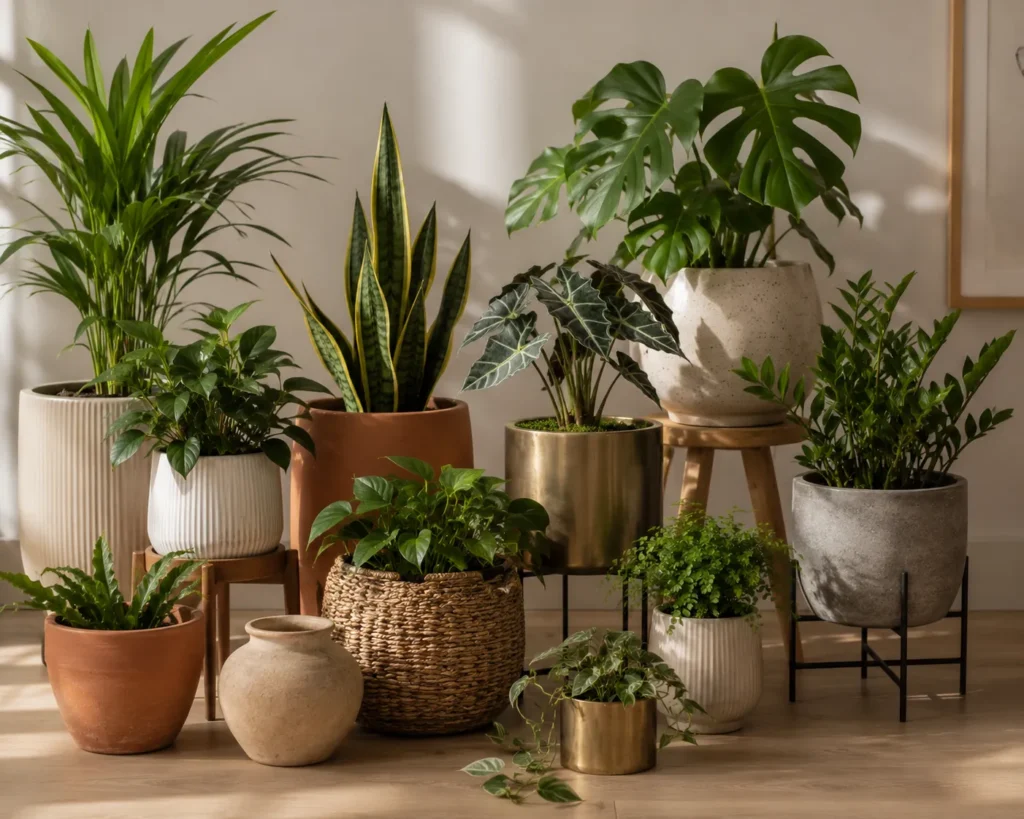
- Ceramic Pots: Elegant and versatile
- Terracotta Pots: Perfect for rustic themes
- Metal Planters: Ideal for modern interiors
- Woven Baskets: Great for boho or cozy spaces
Choosing the right planter can elevate even the simplest plant into a design statement.
Benefits of Plant Decor Beyond Aesthetics
1. Improved Air Quality
Many indoor plants help filter toxins and improve air quality, making your home healthier.
2. Stress Reduction
Being surrounded by greenery can lower stress levels and promote relaxation.
3. Increased Productivity
Plant decor in workspaces has been linked to improved focus and efficiency.
4. Enhanced Creativity
Natural elements stimulate creativity, making plant-filled environments ideal for artists and professionals alike.
Common Mistakes to Avoid in Plant Decor
While plant decor is rewarding, there are some common pitfalls to watch out for:
- Overcrowding: Too many plants can make a space feel cluttered
- Ignoring Light Requirements: Placing plants in unsuitable lighting conditions can harm them
- Neglecting Maintenance: Even low-maintenance plants need care
- Mismatched Planters: Inconsistent styles can disrupt the visual harmony
Avoiding these mistakes ensures your plant decor remains both beautiful and sustainable.
Maintenance Tips for Long-Lasting Plant Decor
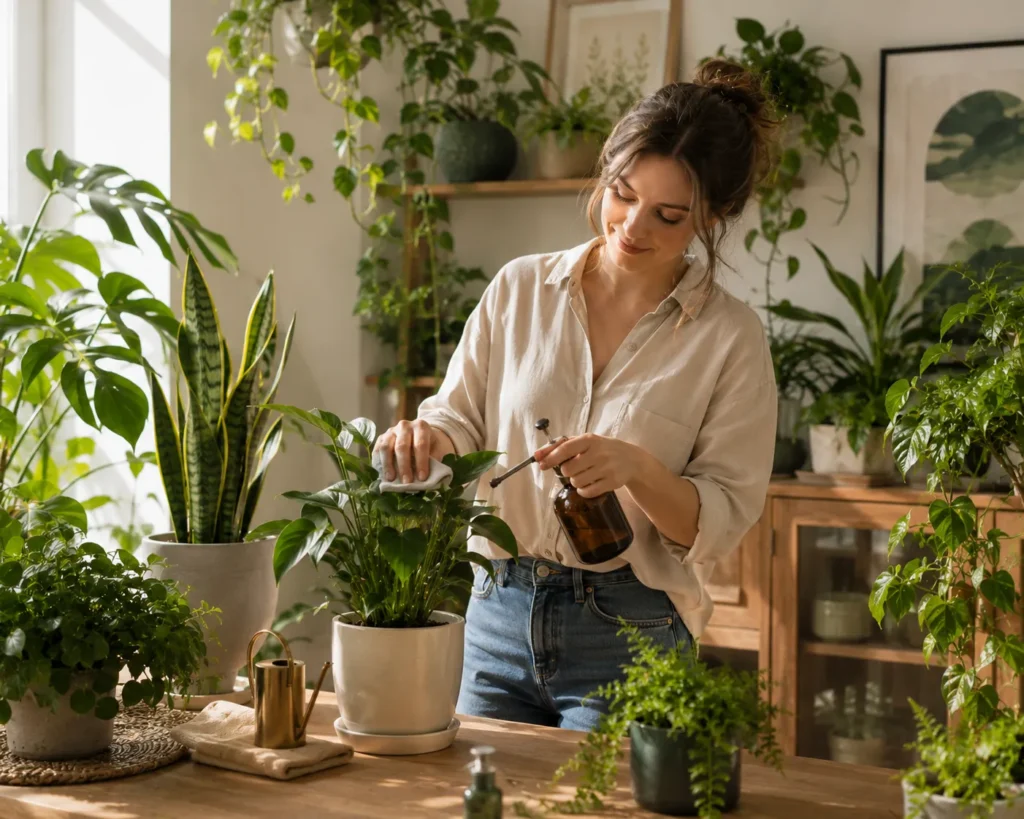
Keeping your plants healthy is essential for maintaining their decorative appeal.
Watering
Overwatering is one of the most common issues. Always check the soil before watering.
Lighting
Ensure each plant receives the appropriate amount of light based on its needs.
Cleaning
Dust can accumulate on leaves, reducing their ability to photosynthesize. Wipe leaves gently with a damp cloth.
Repotting
As plants grow, they may need larger pots. Repotting helps maintain their health and appearance.
Seasonal Plant Decor Adjustments
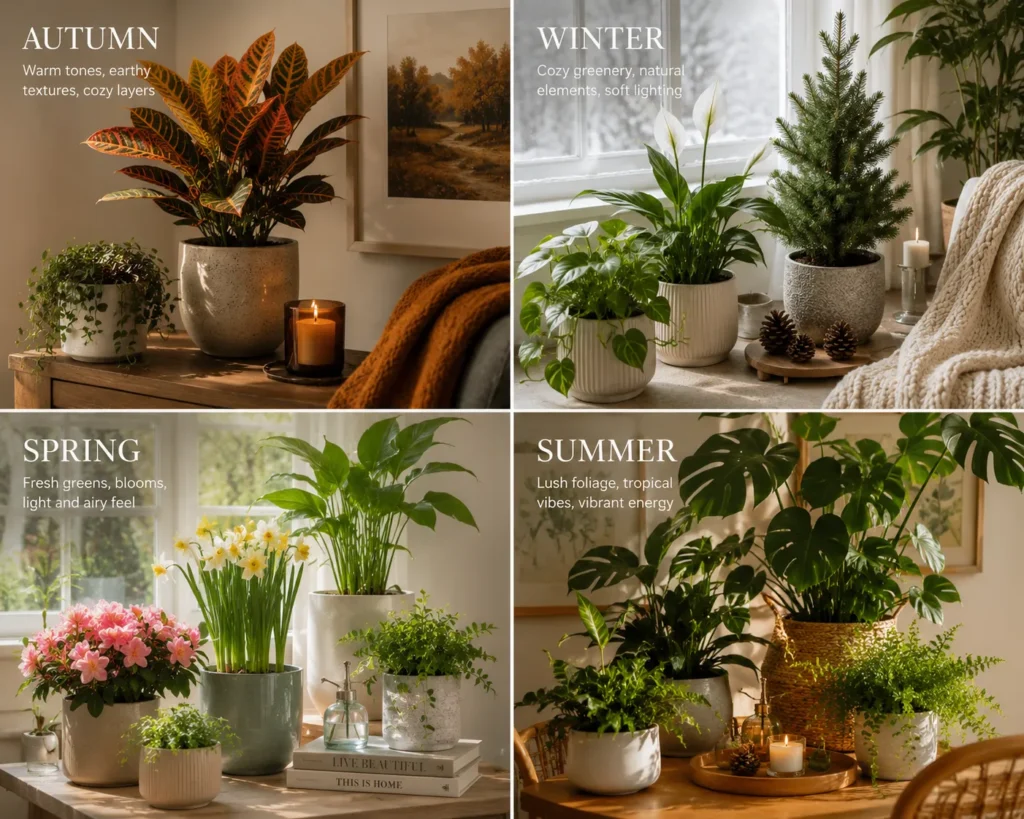
Your plant decor can evolve with the seasons:
- Spring/Summer: Introduce vibrant, fast-growing plants
- Autumn: Use warm-toned planters and foliage
- Winter: Focus on hardy indoor plants that thrive in lower light
Seasonal updates keep your decor fresh and engaging throughout the year.
Budget-Friendly Plant Decor Ideas
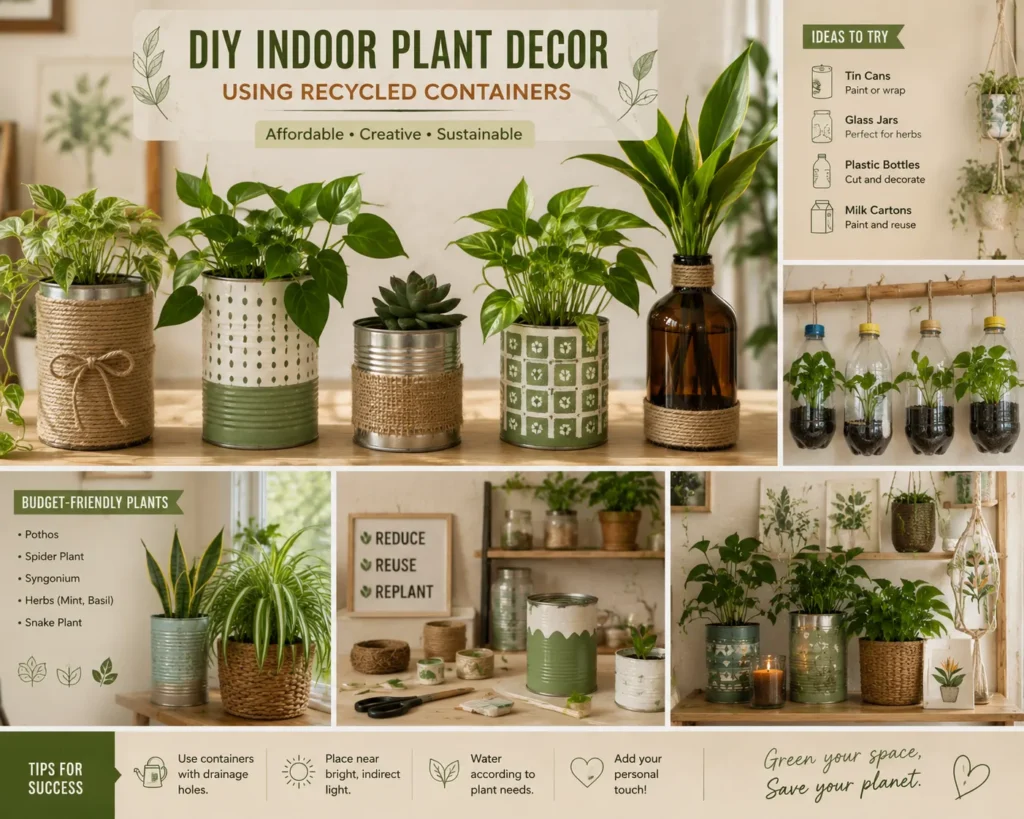
You don’t need a large budget to create stunning plant decor:
- Propagate plants from cuttings
- Use recycled containers as planters
- Shop at local nurseries for affordable options
- Swap plants with friends
With a little creativity, you can build a lush indoor garden without overspending.
Plant Decor for Different Rooms
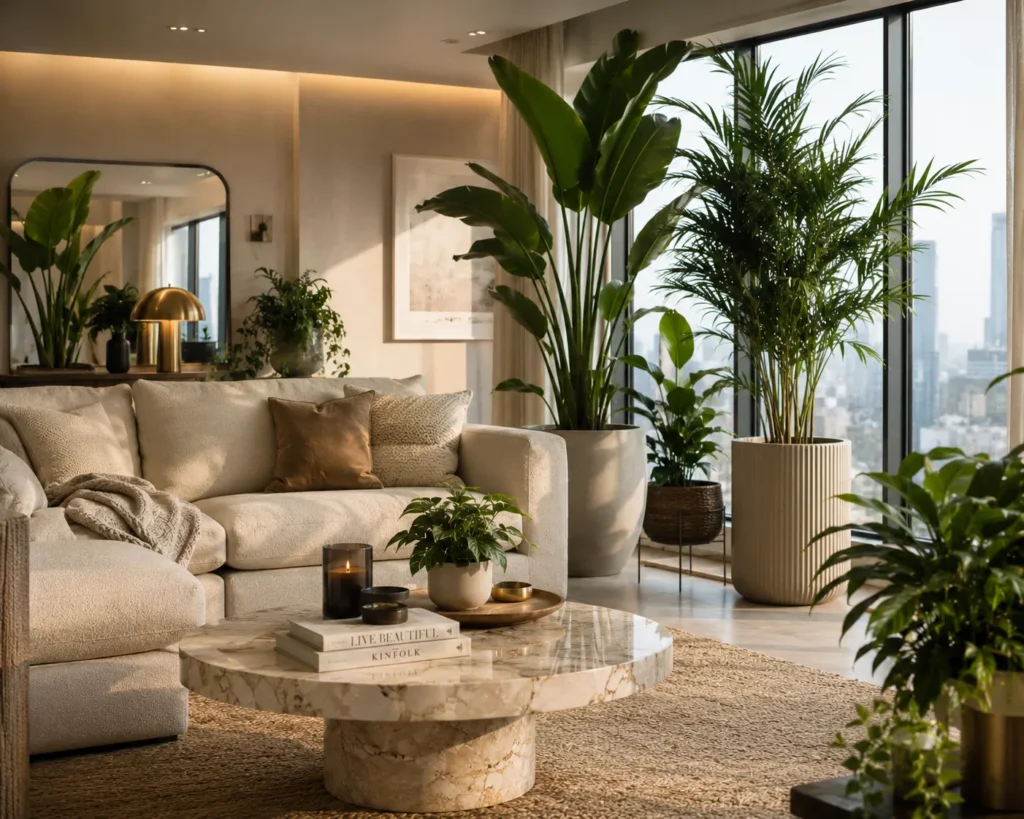
Living Room
Use statement plants to create focal points and enhance the overall ambiance.
Bedroom
Choose calming plants like lavender or snake plants to promote relaxation.
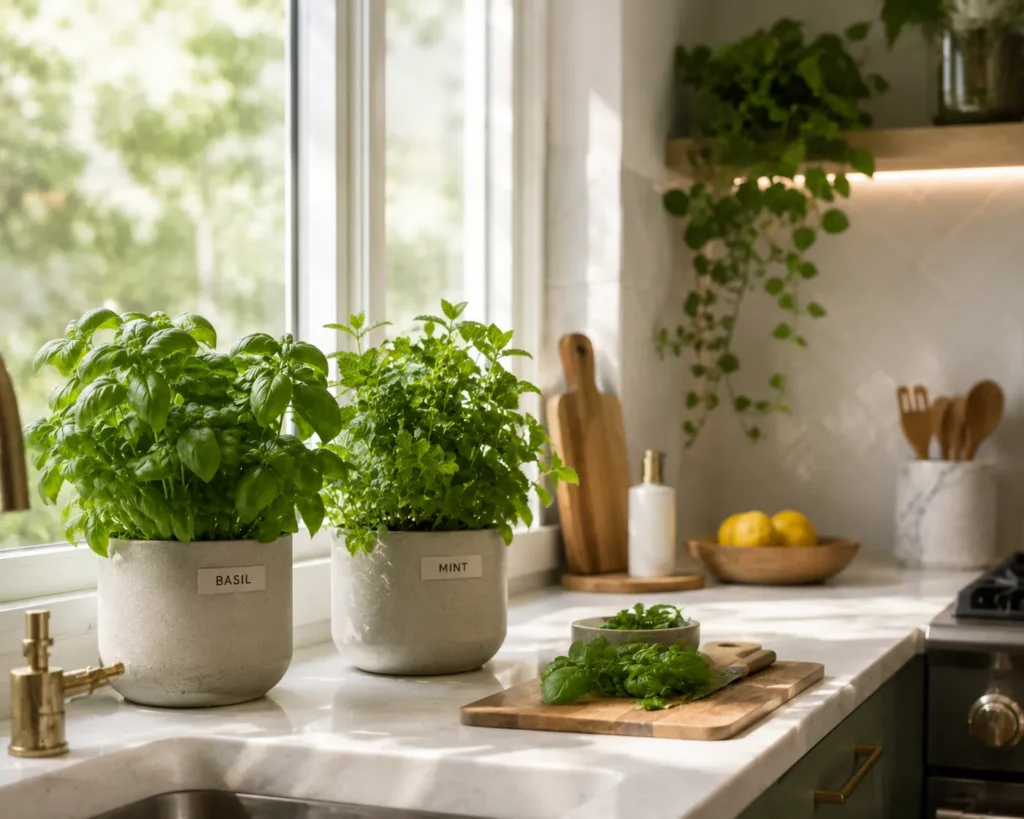
Kitchen
Herbs like basil and mint serve both decorative and functional purposes.
Office
Low-maintenance plants can boost productivity and reduce stress.
The Future of Plant Decor
As sustainability becomes increasingly important, plant decor is expected to grow in popularity. People are seeking ways to bring nature indoors, reduce their environmental impact, and create healthier living spaces.
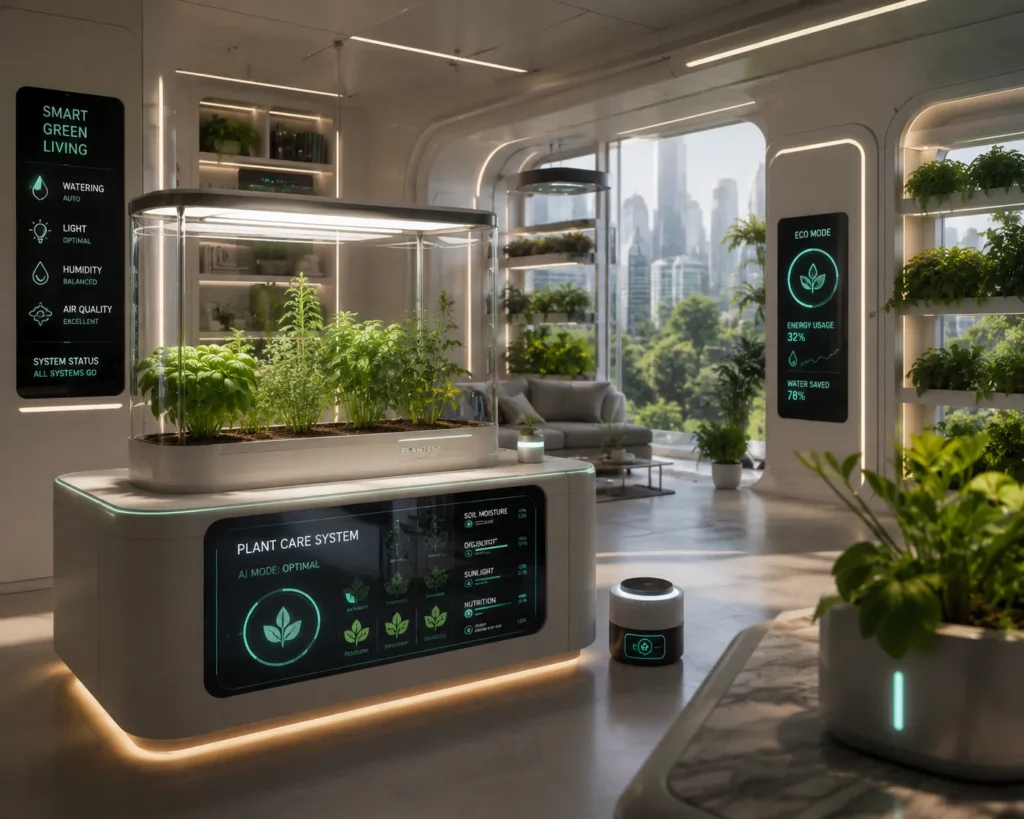
Innovations such as self-watering planters and smart gardening systems are making it easier than ever to maintain indoor plants. This means that even those with busy lifestyles can enjoy the benefits of plant decor.
Conclusion
Plant Decor is more than just a design trend—it’s a lifestyle choice that enhances both your environment and your well-being. By carefully selecting plants, matching them with your interior style, and maintaining them properly, you can create a space that feels alive, refreshing, and uniquely yours.
Whether you start with a single plant or transform your entire home into a green sanctuary, the journey of plant decor is both rewarding and inspiring.
FAQs
1. What is plant decor?
Plant decor refers to the use of indoor plants as decorative elements to enhance the aesthetics and ambiance of a space.
2. Which plants are best for beginners?
Low-maintenance plants like snake plants, pothos, and ZZ plants are ideal for beginners.
3. How often should I water indoor plants?
It depends on the plant type, but generally, watering once a week is sufficient. Always check soil moisture first.
4. Can plant decor improve air quality?
Yes, many indoor plants help filter toxins and improve air quality.
5. How can I decorate a small space with plants?
Use vertical solutions like hanging planters, wall shelves, or small pots to maximize space.