14 Interior Design Your Home Looks That Inspire
Your home is more than just a place to sleep and eat. It reflects your personality, lifestyle, and comfort. Whether you live in a modern apartment, a traditional house, or a compact studio, thoughtful interior design can transform your living environment into a beautiful and functional space. The concept of Interior Design Your Home has become increasingly popular as homeowners seek practical yet elegant solutions to improve their everyday surroundings.
Creating a well-designed home does not always require a massive budget or professional expertise. With the right planning, creativity, and understanding of design principles, anyone can build a space that feels welcoming and visually appealing. From choosing colors and furniture to improving lighting and maximizing space, every detail plays a role in shaping your home’s atmosphere.
In this guide, you will discover practical ideas, expert tips, and creative inspiration to help you master the art of interior design for your home.
Why Interior Design Matters in Every Home
Interior design is not just about decoration. It is about creating a balanced environment that enhances comfort, productivity, and emotional well-being. A thoughtfully designed home can positively influence your mood and improve your quality of life.
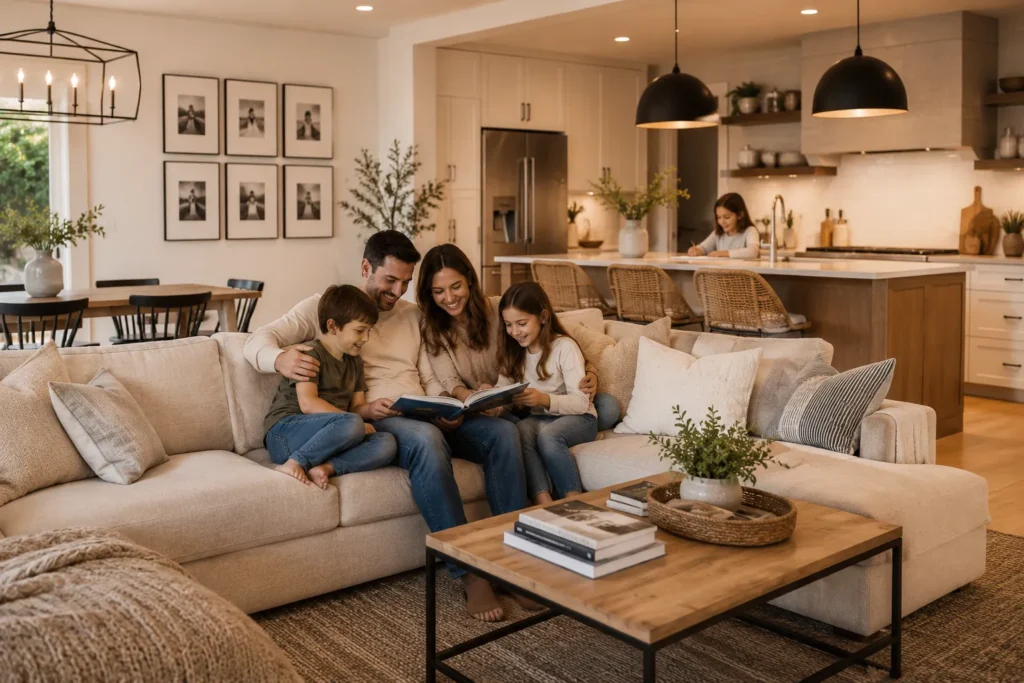
A well-planned home interior offers several benefits:
- Better use of available space
- Improved comfort and functionality
- Enhanced property value
- Aesthetic appeal and visual harmony
- Reduced clutter and stress
When you focus on Interior Design Your Home, you create spaces that support your daily routines while expressing your personal taste.
Understanding Your Interior Design Style
Before redesigning your home, it is important to identify the style that suits your personality. Your chosen design theme will guide decisions related to furniture, colors, textures, and accessories.
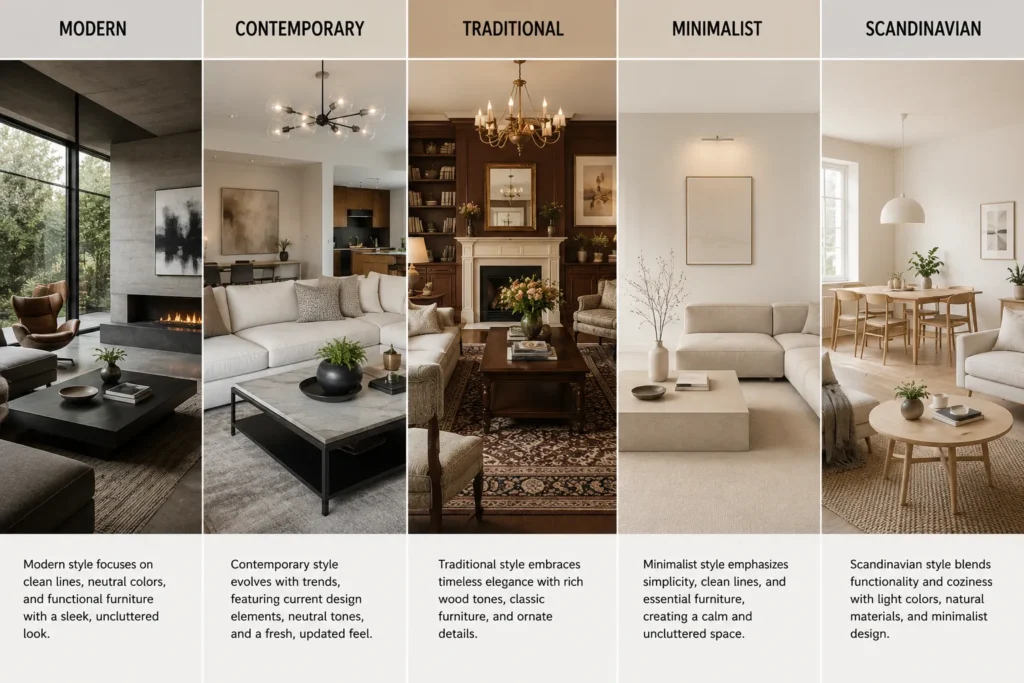
Modern Interior Design
Modern interiors emphasize simplicity, clean lines, and minimal decoration. Neutral colors, sleek furniture, and open spaces define this style.
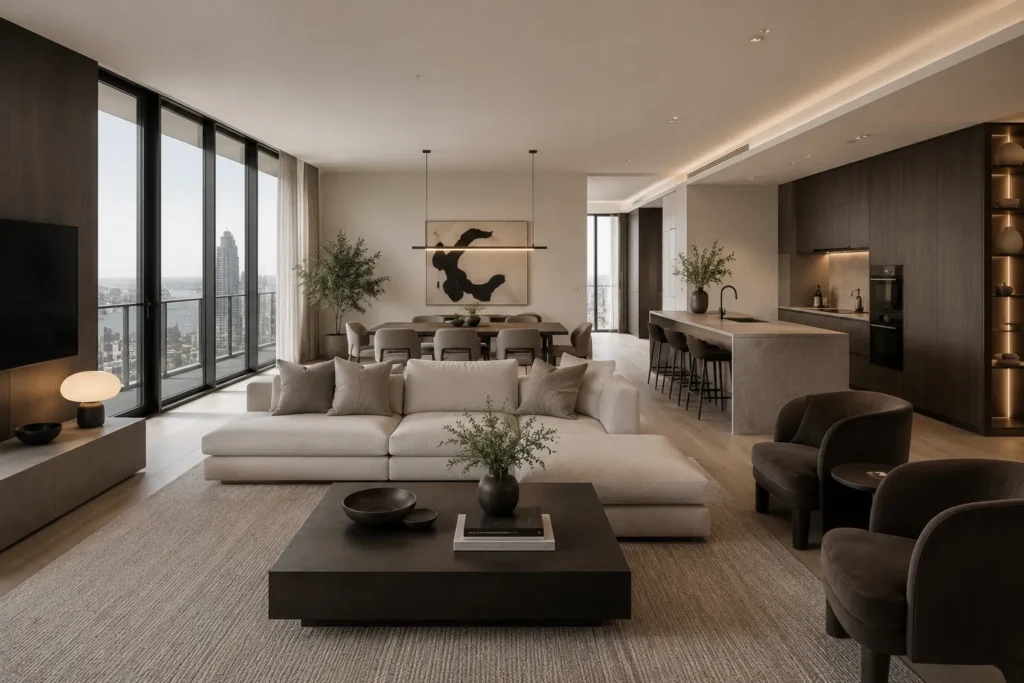
Contemporary Design
Contemporary interiors constantly evolve with current trends. They often feature bold accents, natural lighting, and stylish textures.
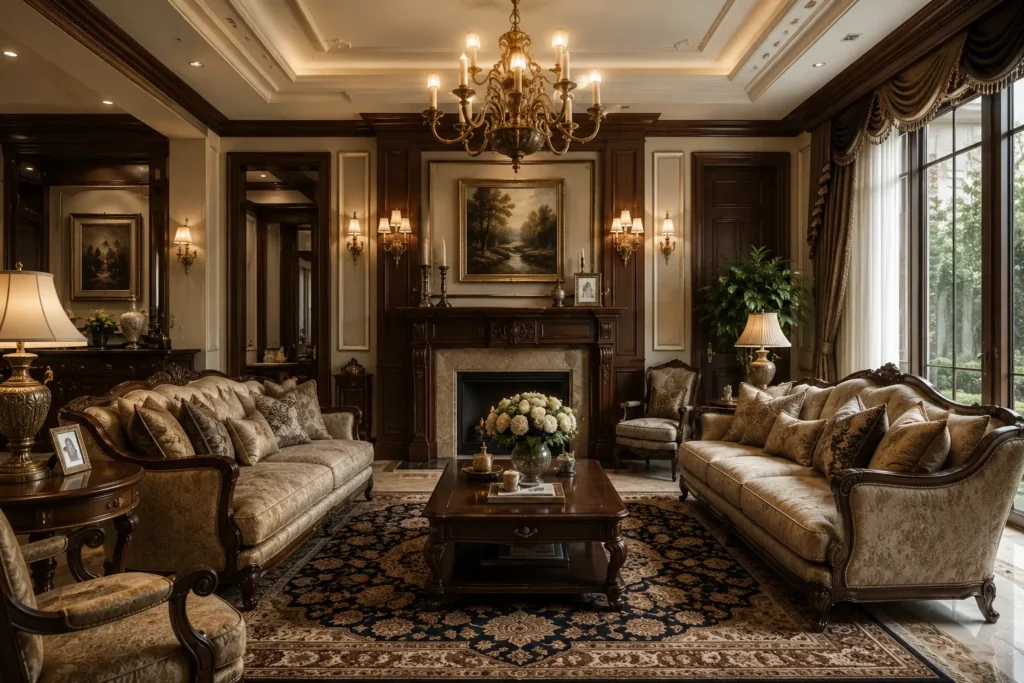
Traditional Style
Traditional interiors focus on elegance and timeless beauty. Rich wood finishes, decorative furniture, and classic color palettes are common.
Minimalist Design
Minimalism follows the principle of “less is more.” It prioritizes functionality, uncluttered spaces, and simple furnishings.
Scandinavian Style
Scandinavian interiors combine simplicity, comfort, and natural materials. Light colors and cozy textures create a warm atmosphere.
Choosing a consistent style helps create harmony throughout your home while making the design process easier.
Choosing the Right Color Palette
Color is one of the most powerful elements in interior design. It affects mood, perception, and overall ambiance.
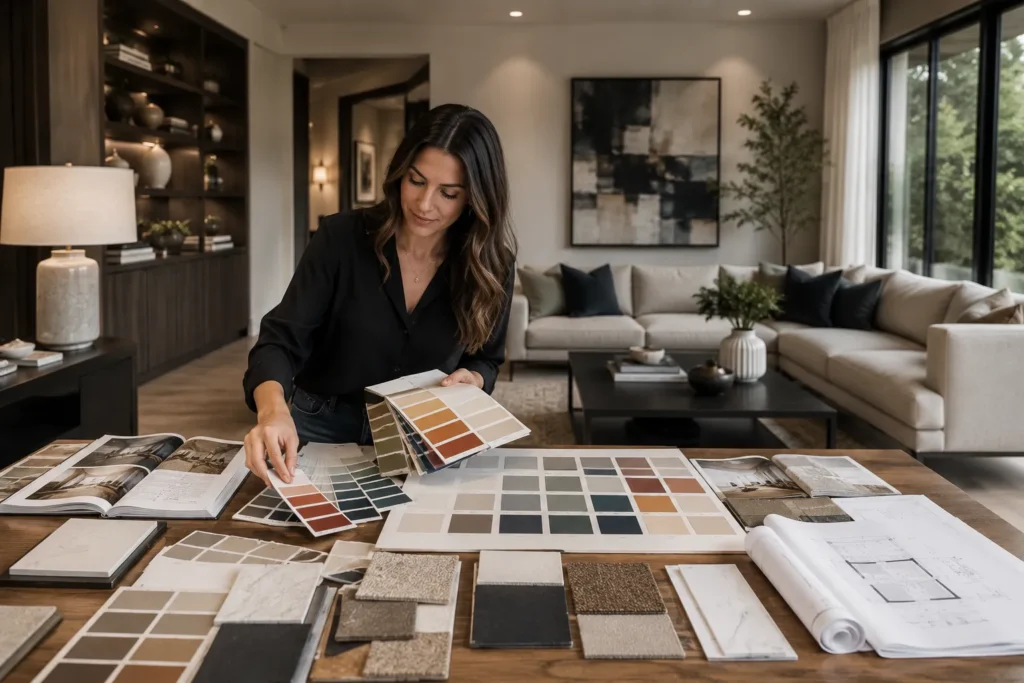
Neutral Colors for Timeless Appeal
Neutral shades such as white, beige, gray, and cream create a calm and sophisticated atmosphere. They also make rooms appear larger and brighter.
Bold Colors for Personality
Accent colors like navy blue, emerald green, mustard yellow, or terracotta can add character and energy to your home.
Matching Colors with Room Function
Different rooms require different emotional tones:
- Bedrooms benefit from calming shades like blue or lavender
- Living rooms work well with warm and welcoming tones
- Kitchens often look fresh with white or light green colors
- Home offices perform better with balanced neutral palettes
When planning Interior Design Your Home, always consider how colors interact with natural and artificial lighting.
Smart Furniture Selection for Stylish Interiors
Furniture defines both functionality and aesthetics. Choosing the right pieces can dramatically improve your living space.
Measure Your Space Carefully
Oversized furniture can make rooms feel cramped, while undersized pieces may look awkward. Always measure your room dimensions before purchasing furniture.
Prioritize Comfort and Functionality
Beautiful furniture should also be practical. Sofas, beds, and chairs must provide comfort while matching the overall style.
Invest in Multi-Functional Furniture
For smaller homes, furniture with multiple purposes is ideal:
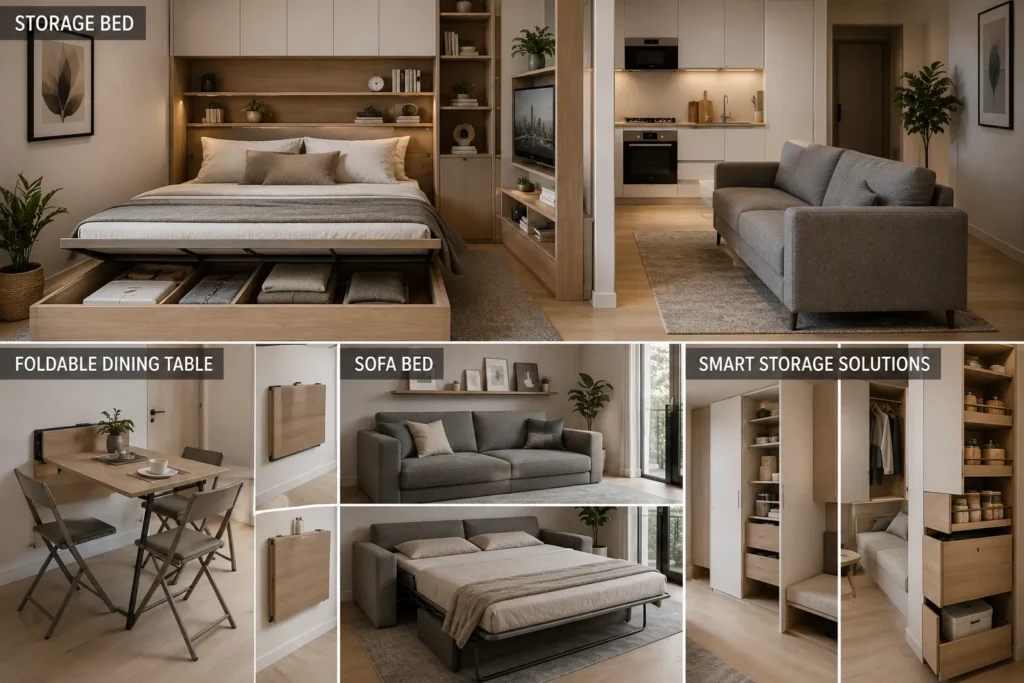
- Storage beds
- Foldable dining tables
- Sofa beds
- Nesting tables
These solutions maximize space without sacrificing style.
Balance Furniture Placement
Avoid overcrowding rooms. Leave enough walking space and create a balanced arrangement that encourages movement and conversation.
Lighting: The Secret to Beautiful Interiors
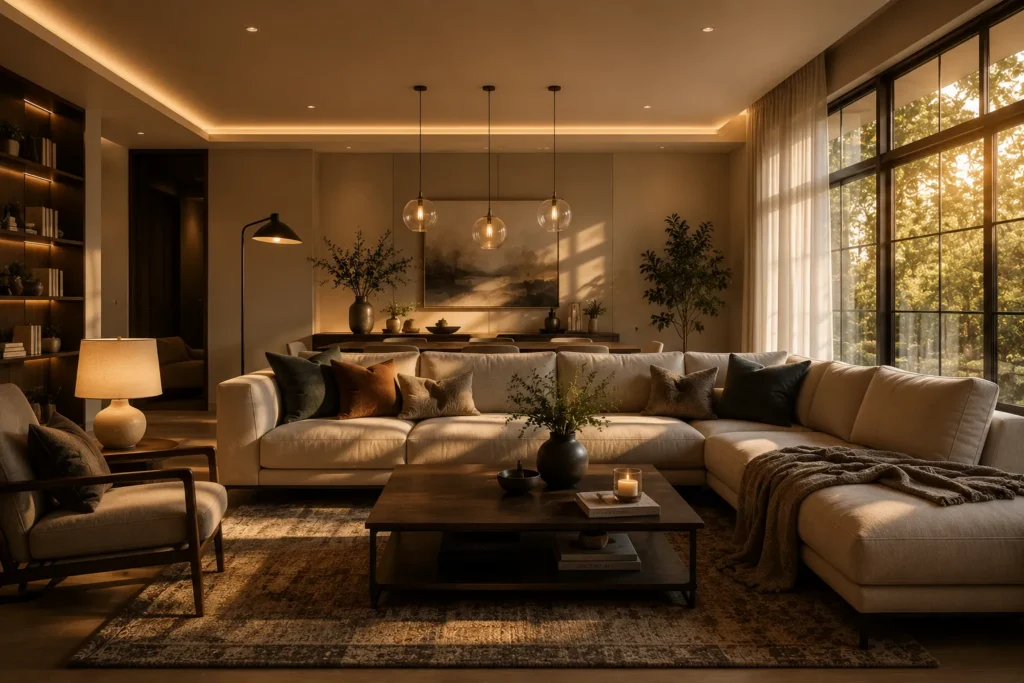
Lighting can completely transform a room’s atmosphere. A combination of natural and artificial lighting creates depth and warmth.
Maximize Natural Light
Natural light makes interiors feel open and inviting. Use sheer curtains, mirrors, and light-colored walls to enhance brightness.
Layer Different Types of Lighting
Good interior design uses three lighting layers:
- Ambient Lighting – General room illumination
- Task Lighting – Focused lighting for activities
- Accent Lighting – Decorative lighting for visual interest
Use Statement Light Fixtures
Pendant lights, chandeliers, and stylish floor lamps can act as decorative focal points while improving functionality.
Effective lighting is essential when planning Interior Design Your Home because it influences mood, comfort, and visual appeal.
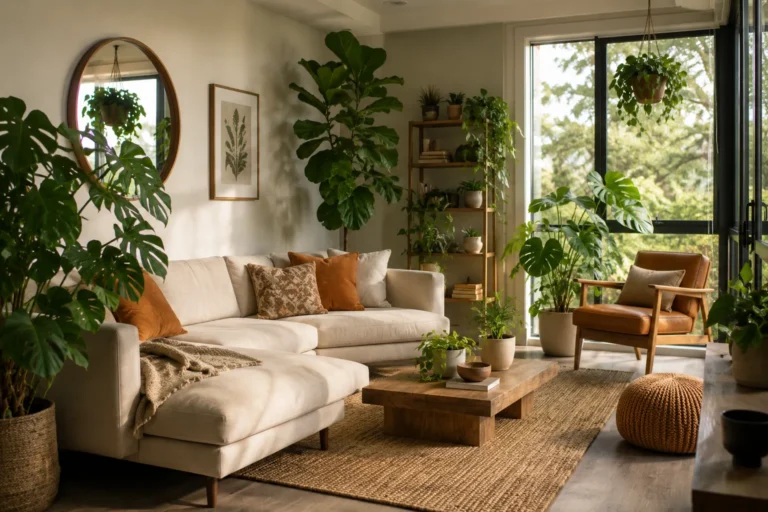
Designing a Functional Living Room
The living room is often the heart of the home. It should feel comfortable, welcoming, and stylish.
Create a Focal Point
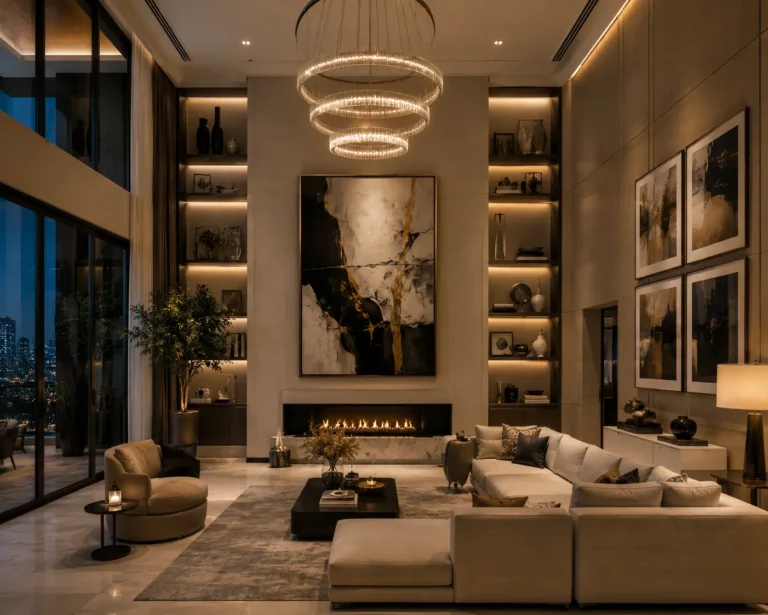
A focal point draws attention and anchors the room. Examples include:
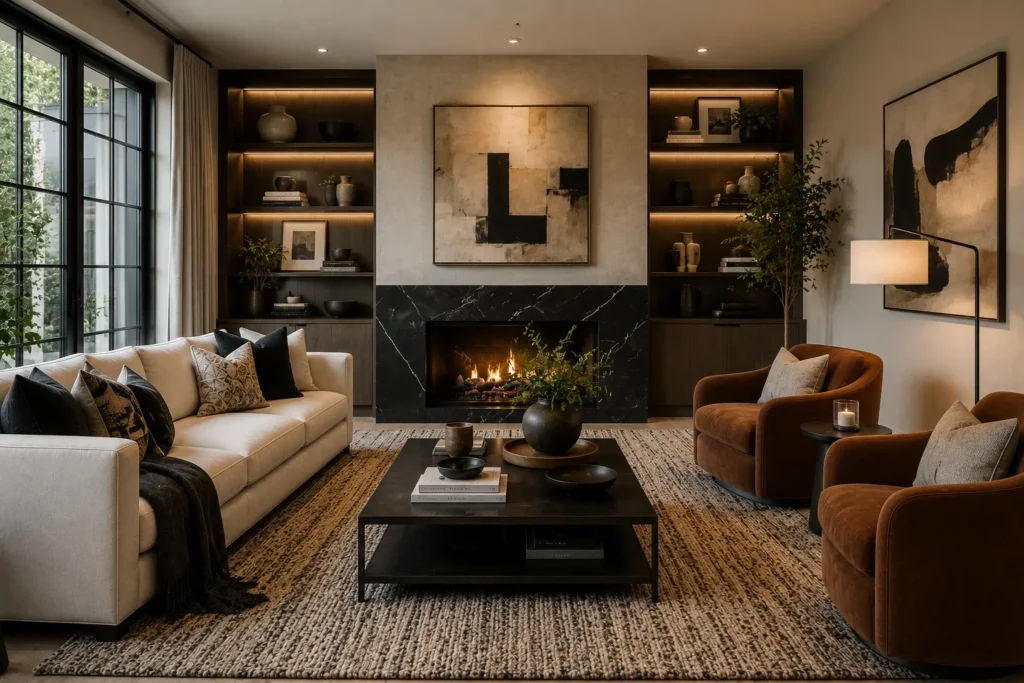
- A fireplace
- A large artwork
- A statement sofa
- A TV wall unit
Choose Comfortable Seating
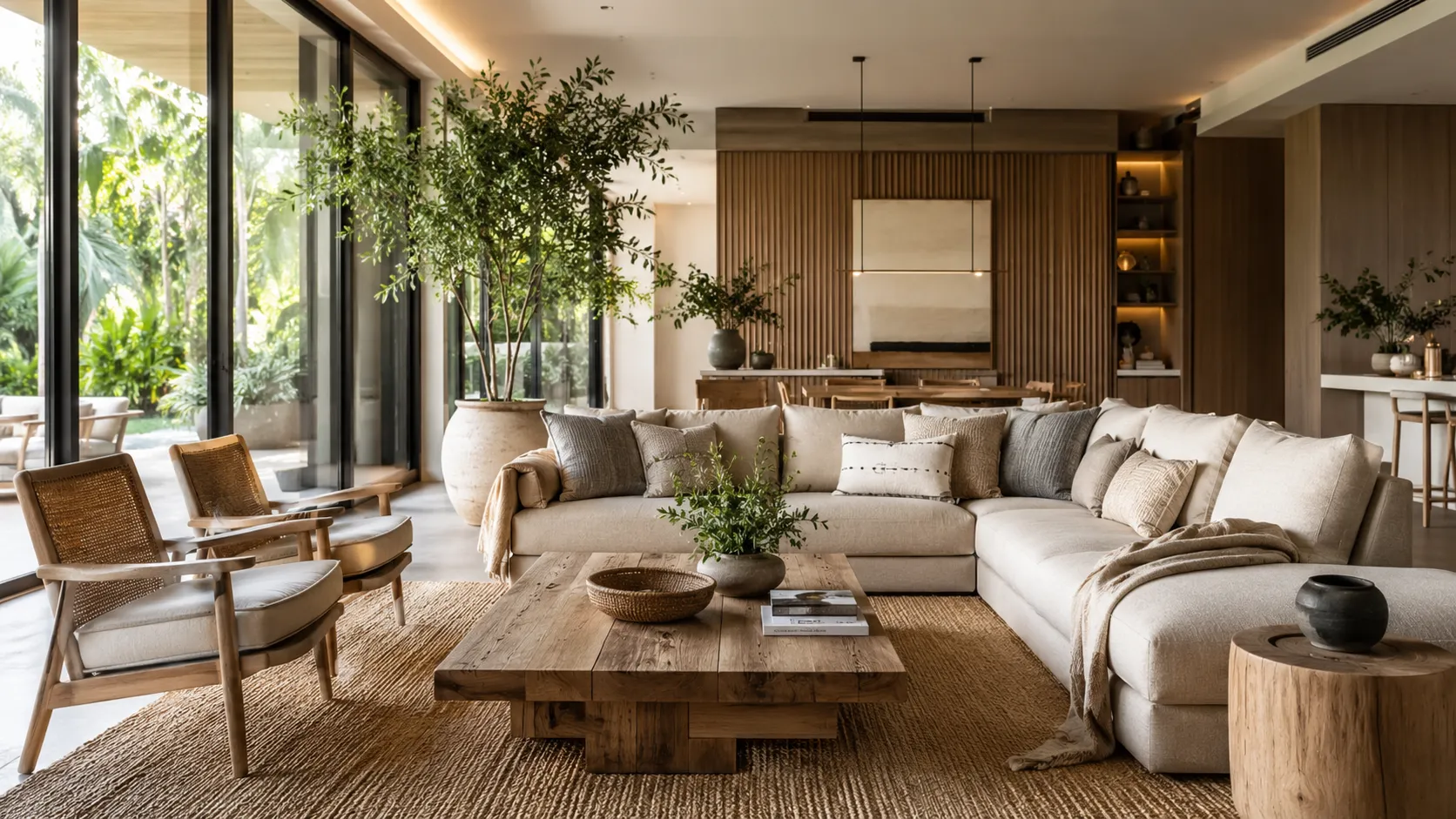
Arrange seating to encourage conversation and relaxation. Sectional sofas and accent chairs work well for both large and small spaces.
Add Texture and Accessories
Rugs, cushions, curtains, and throws create warmth and depth. Mixing textures adds visual interest without overwhelming the room.
Keep Clutter Under Control
Use storage solutions such as shelves, cabinets, and baskets to maintain a clean and organized appearance.
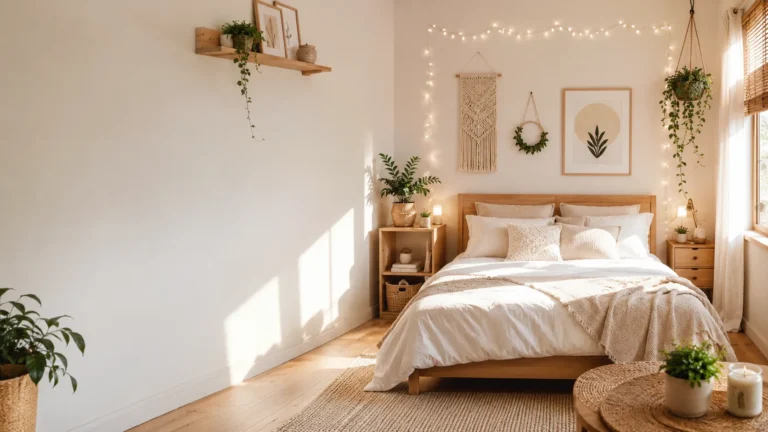
Bedroom Interior Design Tips
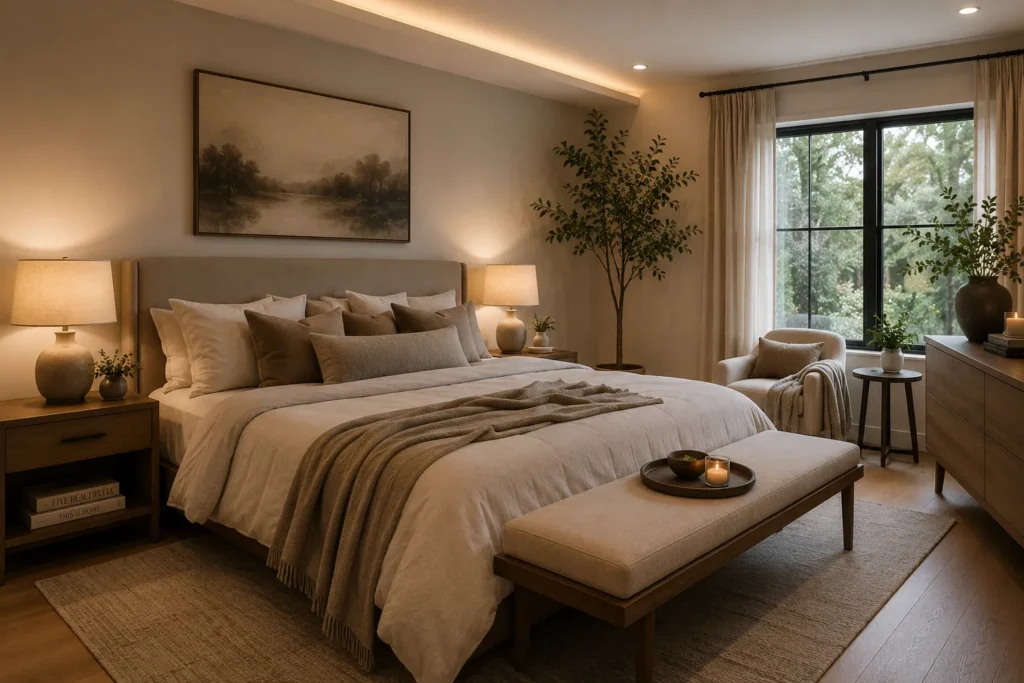
Your bedroom should feel like a peaceful retreat. Comfort and relaxation should guide every design decision.
Select a Comfortable Bed
The bed is the centerpiece of the bedroom. Invest in quality bedding, supportive mattresses, and stylish headboards.
Use Soft and Relaxing Colors
Calming shades promote better sleep and relaxation. Neutral tones and muted pastels work especially well.
Incorporate Storage Solutions
Built-in wardrobes, under-bed storage, and floating shelves help reduce clutter while maximizing space.
Add Personal Touches
Artwork, family photos, indoor plants, and decorative lighting can make the bedroom feel more intimate and cozy.
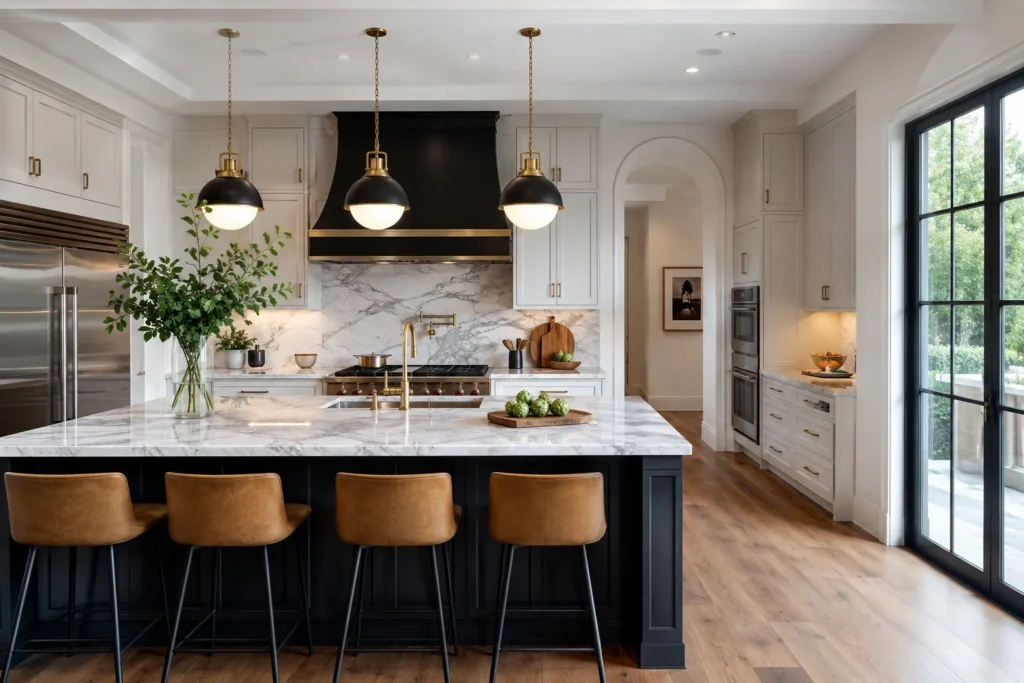
Kitchen Interior Design Ideas
Modern kitchens combine functionality with style. A well-designed kitchen improves workflow and enhances the cooking experience.
Focus on Layout Efficiency
The kitchen triangle concept connects the sink, stove, and refrigerator for smoother movement.
Choose Durable Materials
Countertops, cabinets, and flooring should be durable and easy to maintain. Quartz, granite, and hardwood are popular options.
Optimize Storage
Use vertical cabinets, pull-out drawers, and organizers to maximize storage capacity.
Add Stylish Finishes
Backsplashes, pendant lights, and modern hardware can elevate the overall appearance of the kitchen.
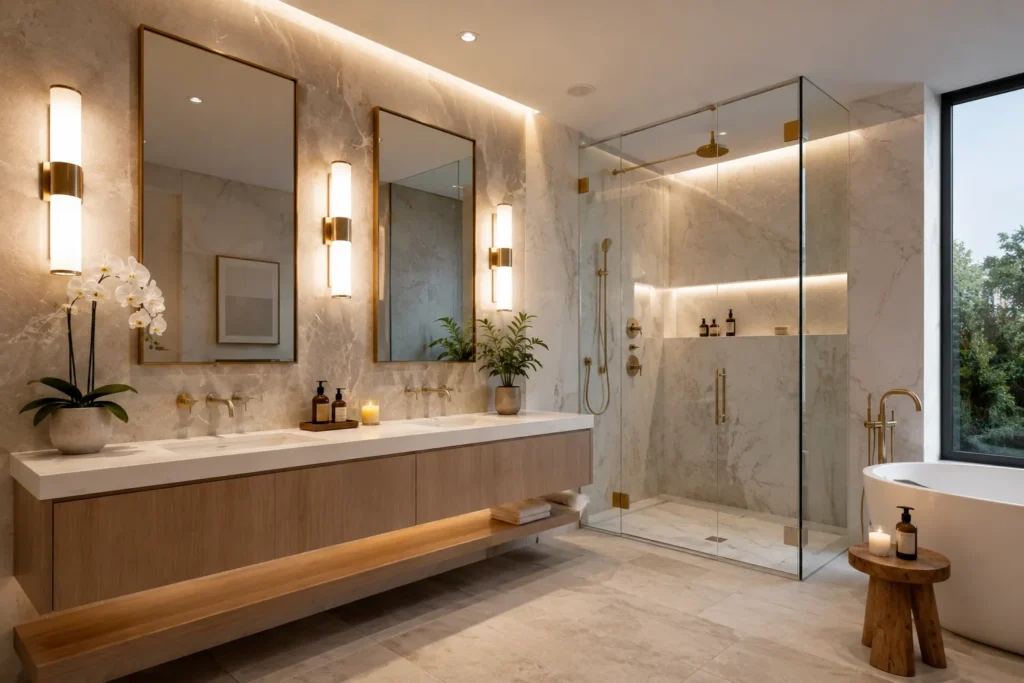
Bathroom Design for Comfort and Luxury
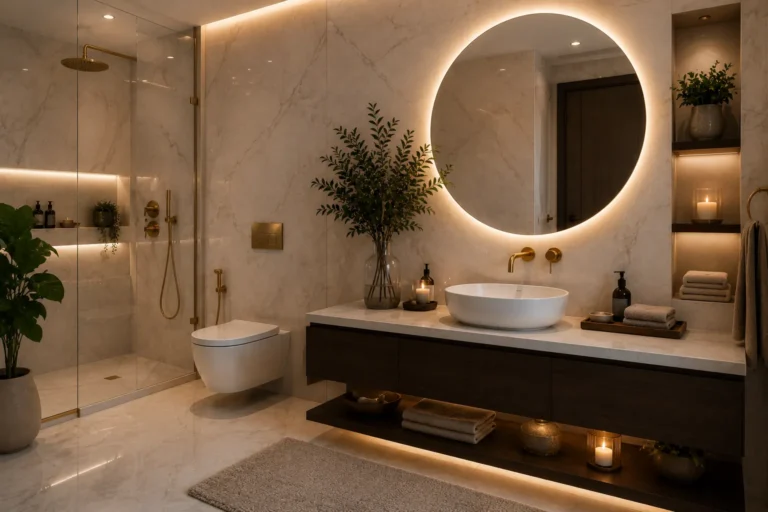
Bathrooms should feel clean, relaxing, and functional. Even small bathrooms can look luxurious with thoughtful design choices.
Use Space-Saving Fixtures
Wall-mounted sinks and floating vanities help create a more spacious appearance.
Choose Quality Lighting
Good bathroom lighting improves visibility while enhancing aesthetics.
Add Elegant Materials
Marble, ceramic tiles, and glass elements create a sophisticated look.
Keep It Organized
Storage cabinets and shelving help maintain cleanliness and reduce visual clutter.
Small Space Interior Design Solutions
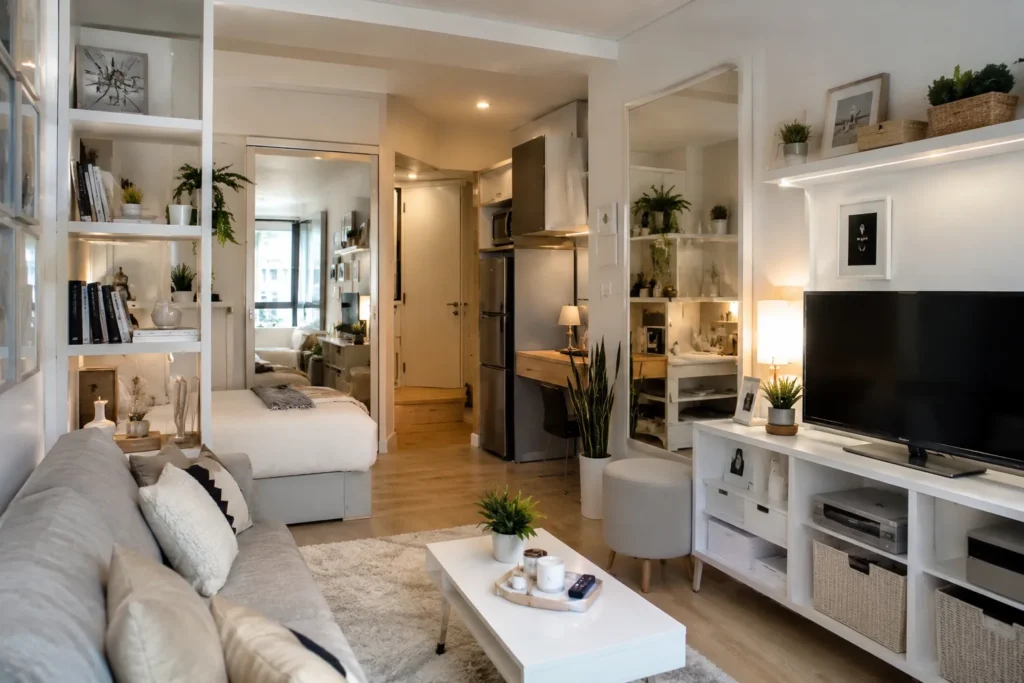
Many homeowners struggle with limited space. However, smart design strategies can make compact homes feel larger and more comfortable.
Use Mirrors Strategically
Mirrors reflect light and create the illusion of more space.
Choose Light Colors
Bright shades visually expand rooms and improve openness.
Utilize Vertical Space
Tall shelves and wall-mounted storage maximize functionality without taking up floor space.
Keep Decor Minimal
Too many decorative items can overwhelm small rooms. Focus on simplicity and essential pieces.
Effective Interior Design Your Home techniques can help even the smallest apartments feel stylish and spacious.
The Role of Texture in Interior Design
Texture adds depth and personality to interiors. Combining different materials creates a balanced and inviting environment.
Soft Textures
- Cushions
- Rugs
- Curtains
- Upholstered furniture
These elements make spaces feel warm and comfortable.
Hard Textures
- Wood
- Stone
- Glass
- Metal
Hard textures add structure and sophistication.
Mixing textures thoughtfully prevents interiors from looking flat or monotonous.
Bringing Nature Indoors
Natural elements improve air quality and create a calming atmosphere.
Indoor Plants
Plants add freshness, color, and life to interiors. Popular choices include:
- Snake plants
- Peace lilies
- Monstera plants
- Succulents
Natural Materials
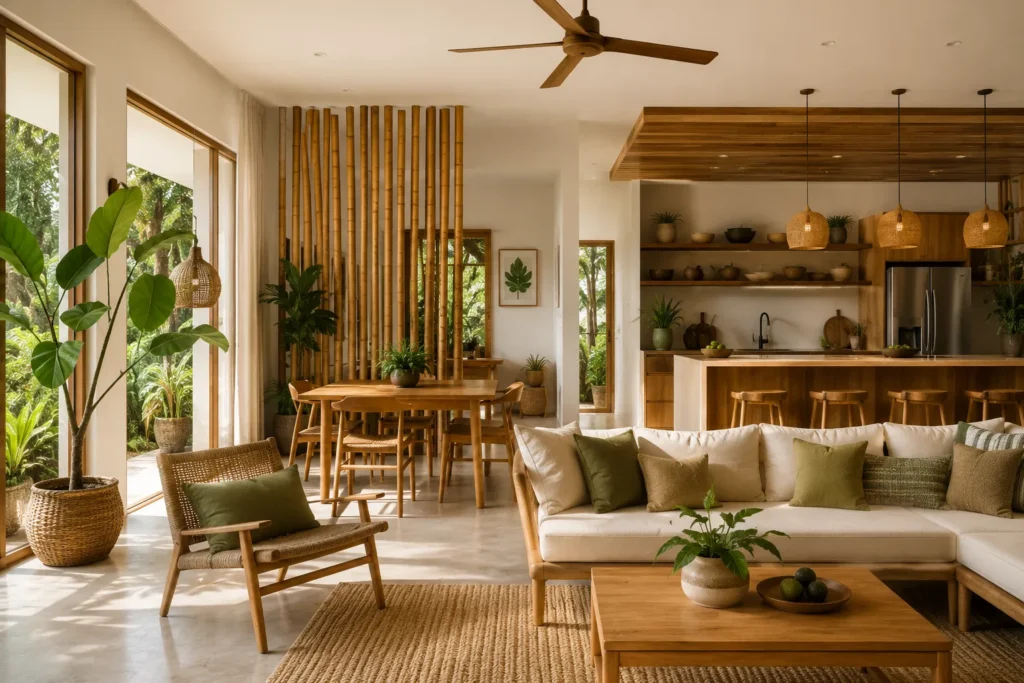
Wood, bamboo, linen, and rattan create warmth and organic beauty.
Earthy Color Schemes
Nature-inspired tones such as green, brown, beige, and terracotta promote relaxation.
Incorporating natural elements is a growing trend in Interior Design Your Home strategies worldwide.
Wall Decor and Artistic Elements
Walls provide opportunities for creativity and self-expression.
Artwork and Paintings
Large statement art pieces can instantly elevate a room.
Gallery Walls
Combining photographs, frames, and artwork creates visual interest and personality.
Wallpaper and Textured Finishes
Modern wallpapers and textured paints add character and dimension.
Floating Shelves
Shelves provide both decorative display space and practical storage.
Flooring Choices for Different Interiors
Flooring significantly impacts the appearance and comfort of your home.
Hardwood Flooring
Elegant, durable, and timeless, hardwood suits many interior styles.
Tile Flooring
Tiles are practical for kitchens and bathrooms because they resist moisture and are easy to clean.
Carpet Flooring
Carpets add warmth and softness, especially in bedrooms and living rooms.
Vinyl and Laminate
Affordable and versatile, these materials mimic natural finishes while offering durability.
Creating a Home Office Space
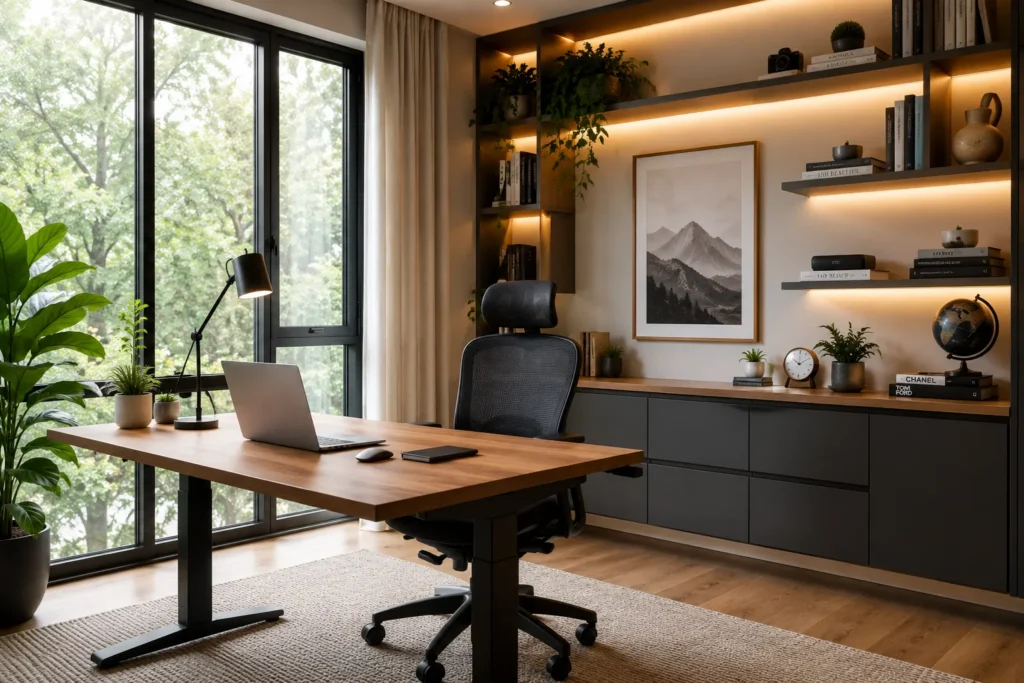
Remote work has increased the importance of functional home offices.
Prioritize Ergonomics
Comfortable chairs and adjustable desks improve productivity and reduce strain.
Ensure Proper Lighting
Position desks near windows whenever possible and add task lighting for better focus.
Minimize Distractions
Use storage solutions and organized layouts to maintain a clutter-free workspace.
Add Inspiring Decor
Artwork, plants, and motivational elements can improve creativity and concentration.
Budget-Friendly Interior Design Tips
You do not need a luxury budget to create a beautiful home.
Repurpose Existing Furniture
Painting or reupholstering old furniture can give it new life.
Shop Smart
Look for discounts, thrift stores, and online marketplaces for affordable decor items.
DIY Decorations
Handmade wall art, shelves, and accessories can personalize your space while saving money.
Focus on Key Areas
Invest in high-impact areas such as lighting, paint, and statement furniture pieces.
Affordable approaches to Interior Design Your Home can still produce impressive results.
Common Interior Design Mistakes to Avoid
Even small mistakes can affect the overall look and functionality of your home.
Ignoring Scale and Proportion
Furniture and decor should fit the room size appropriately.
Poor Lighting Choices
Insufficient lighting can make interiors feel dull and uncomfortable.
Overcrowding Rooms
Too much furniture or decoration creates visual clutter.
Neglecting Storage
Lack of storage solutions often leads to disorganization.
Following Trends Blindly
Choose timeless elements that reflect your personality rather than temporary trends.
Sustainable Interior Design Practices
Eco-friendly design is becoming increasingly important in modern homes.
Use Sustainable Materials
Bamboo, reclaimed wood, and recycled materials reduce environmental impact.
Improve Energy Efficiency
LED lighting, energy-efficient appliances, and proper insulation help lower utility costs.
Choose Quality Over Quantity
Investing in durable furniture reduces waste and long-term expenses.
Support Local Artisans
Locally made furniture and decor often have lower environmental footprints.
Sustainable choices contribute to healthier living while enhancing Interior Design Your Home projects.
Final Thoughts
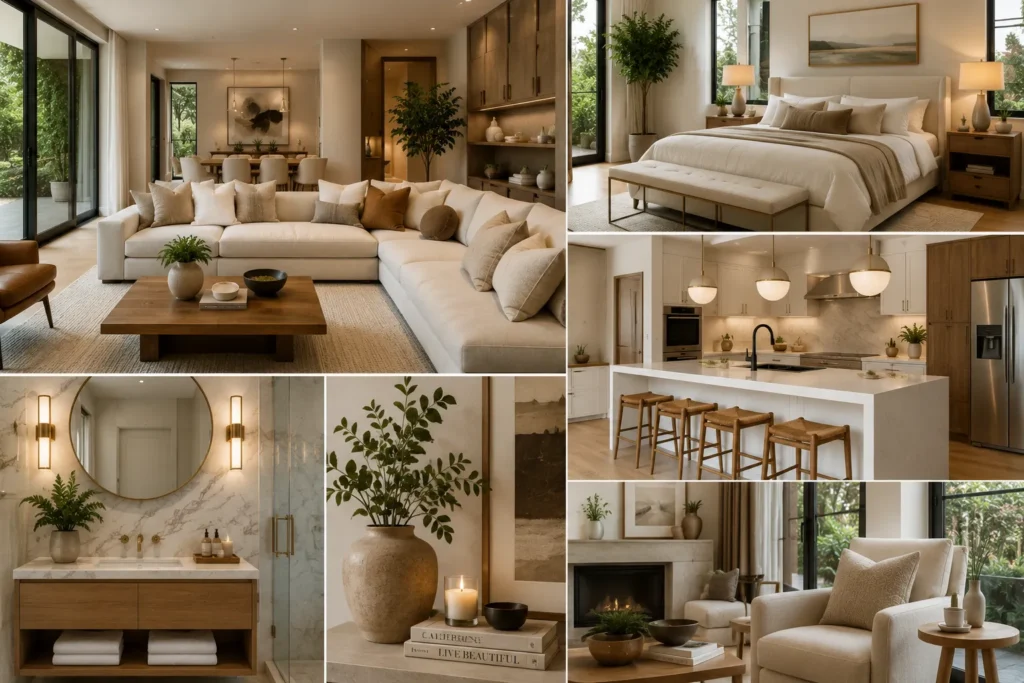
Interior design is about more than decoration. It is about creating spaces that support your lifestyle, improve comfort, and reflect your identity. Whether you prefer modern simplicity, classic elegance, or cozy minimalism, thoughtful design choices can transform your home into a place you truly enjoy.
By understanding color schemes, lighting, furniture placement, textures, and functionality, you can create balanced interiors that feel both stylish and practical. Even small changes such as updating lighting, rearranging furniture, or adding indoor plants can make a significant difference.
The journey of Interior Design Your Home is personal and creative. Start with a clear vision, focus on comfort and functionality, and gradually build spaces that inspire happiness every day.
FAQs
1. What is the first step in interior designing a home?
The first step is identifying your design style and understanding the function of each room. This helps guide furniture, color, and decor choices.
2. How can I make a small room look bigger?
Use light colors, mirrors, multi-functional furniture, and minimal decor to create the illusion of a larger space.
3. What colors are best for home interiors?
Neutral colors like white, beige, and gray are versatile, while soft blues and greens create calming environments.
4. How important is lighting in interior design?
Lighting is essential because it affects mood, visibility, comfort, and the overall appearance of a room.
5. Can I improve my home interior on a budget?
Yes. Simple upgrades like repainting walls, rearranging furniture, adding plants, and using DIY decor can significantly improve your home without high costs.