13 Aesthetic Backgrounds for Relaxing Moments
In today’s visually driven world, the concept of aesthetic backgrounds has become more than just a design trend—it’s a form of self-expression. Whether you’re customizing your phone, enhancing your workspace, designing social media content, or building a website, the right background can completely transform the mood and impact of your visuals.
This blog explores everything you need to know about aesthetic backgrounds—what they are, why they matter, popular styles, how to choose the perfect one, and how to create your own.
What Are Aesthetic Backgrounds?
Aesthetic backgrounds refer to visually pleasing, thoughtfully curated designs that evoke a certain mood, theme, or artistic vibe. They are often used in digital spaces such as phone wallpapers, desktop screens, social media posts, and creative projects.
Unlike plain or generic backgrounds, aesthetic ones focus on harmony, color balance, textures, and emotional appeal. They are designed to resonate with personal taste or align with a particular visual identity.
Why Aesthetic Backgrounds Matter
The growing popularity of aesthetic backgrounds is not just about trends—it’s about how visuals influence emotions and perception.
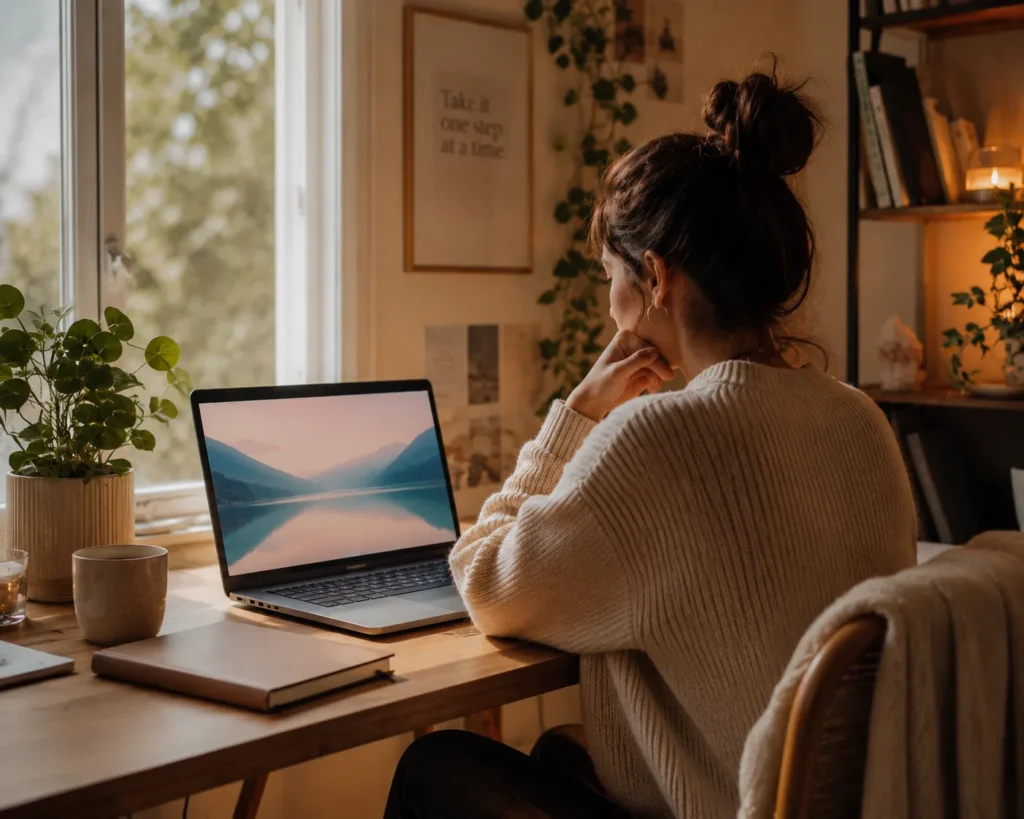
1. Enhancing Mood and Productivity
A calming pastel background or a nature-inspired design can reduce stress and improve focus, especially when used on devices you interact with daily.
2. Personal Expression
Your background reflects your personality. Whether you prefer minimalist tones or bold artistic visuals, it communicates your style without words.
3. Branding and Identity
For creators and businesses, aesthetic backgrounds help maintain a consistent visual identity. This is particularly important for social media and websites.
4. Visual Appeal
Simply put, aesthetic backgrounds make everything look better—from presentations to Instagram stories.
Popular Types of Aesthetic Backgrounds
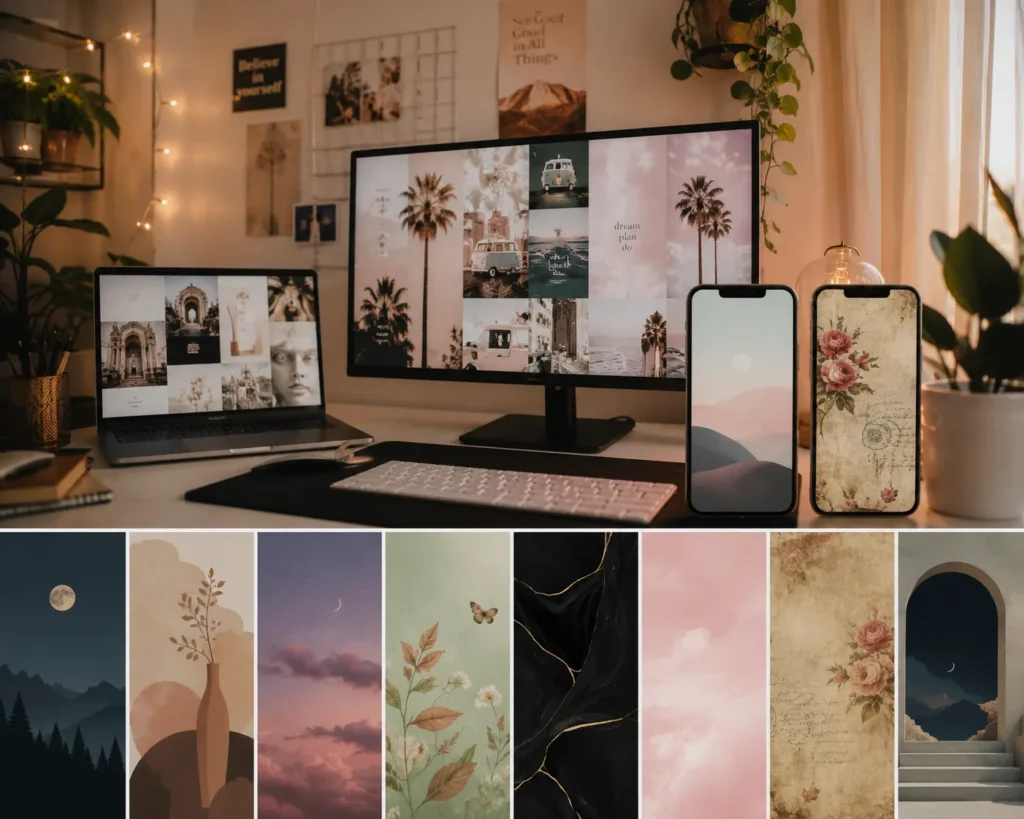
There are countless styles of aesthetic backgrounds, each offering a unique feel. Below are some of the most popular categories:
Minimalist Aesthetic Backgrounds
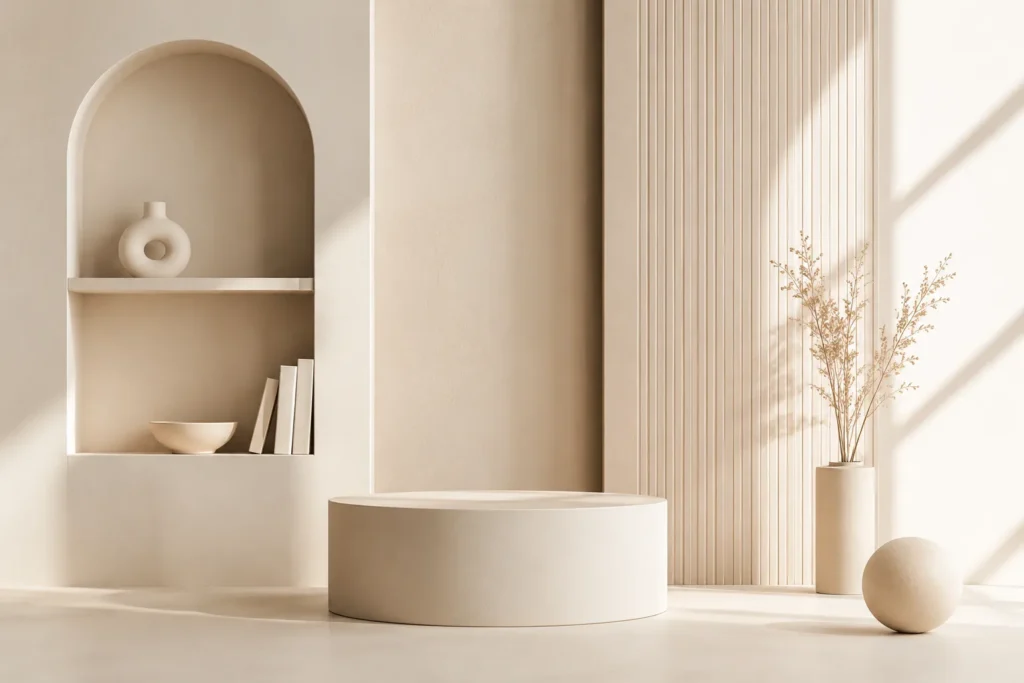
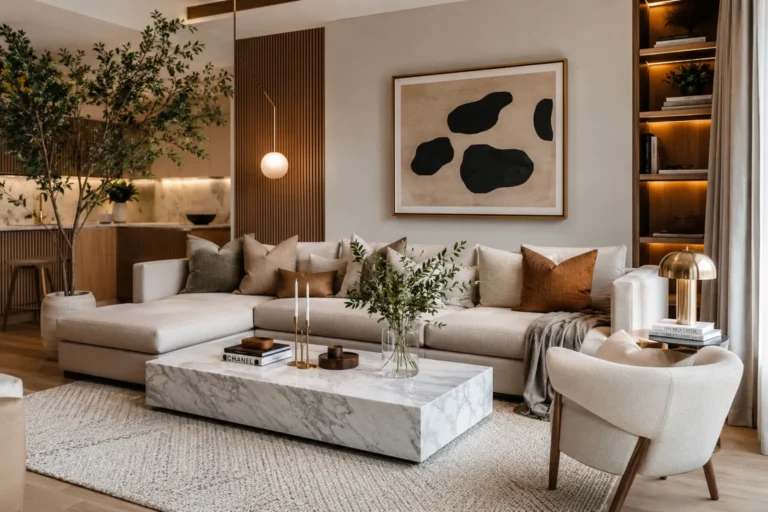
Clean, simple, and uncluttered designs that focus on neutral colors and negative space. Perfect for professionals and those who prefer a calm environment.
Nature-Inspired Backgrounds
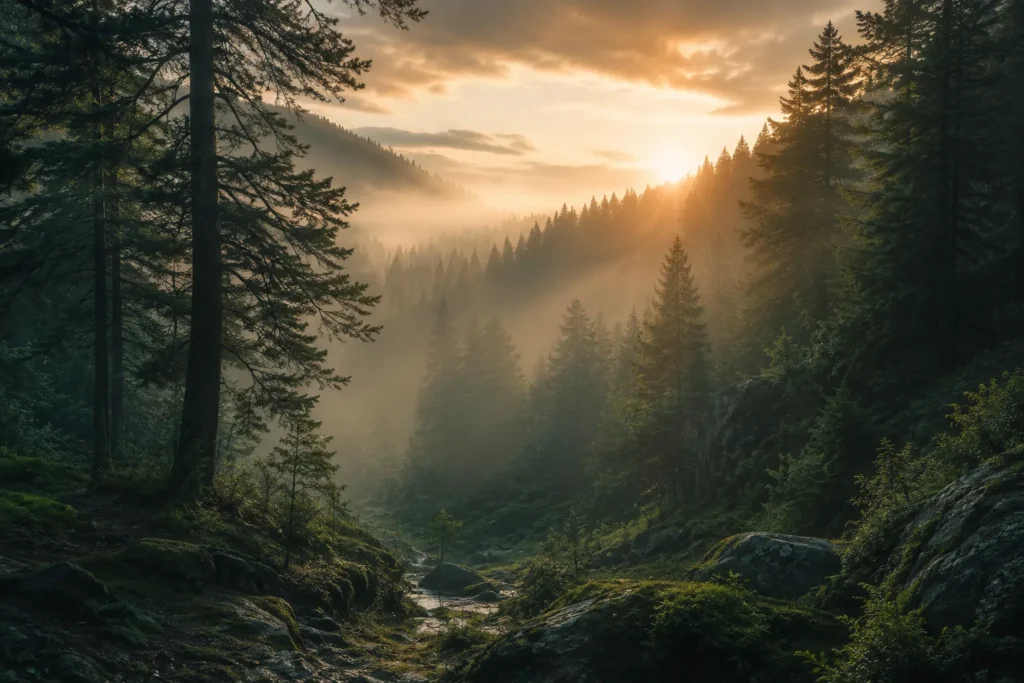
These include landscapes, plants, skies, oceans, and forests. They bring a sense of peace and connection to the natural world.
Vintage and Retro Aesthetic

Inspired by past decades, these backgrounds often feature grainy textures, muted tones, and nostalgic elements.
Dark and Moody Aesthetic
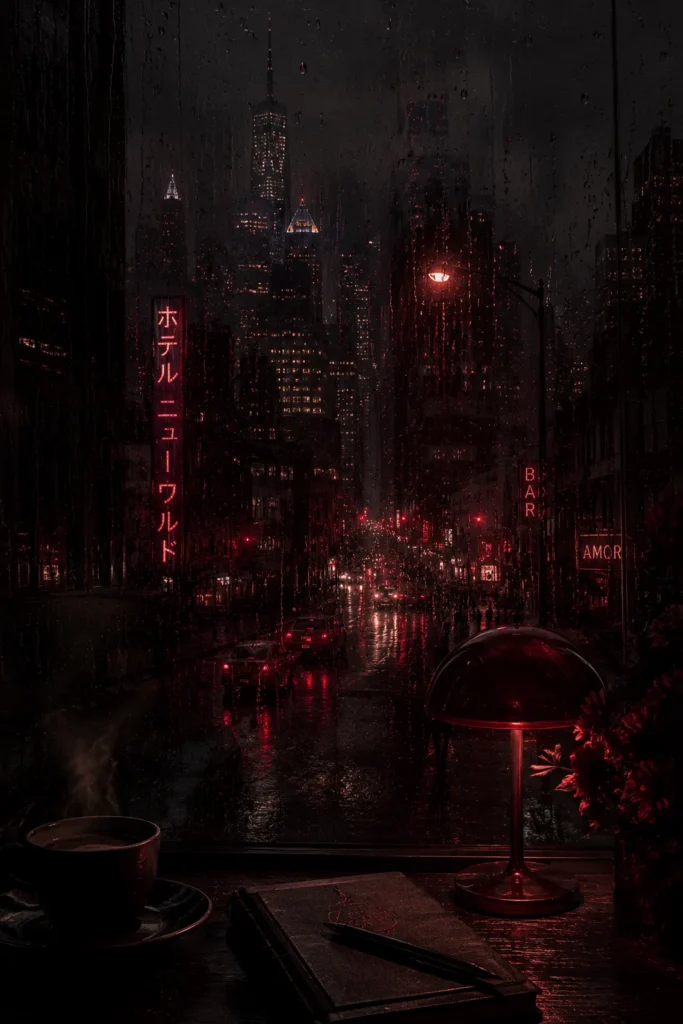
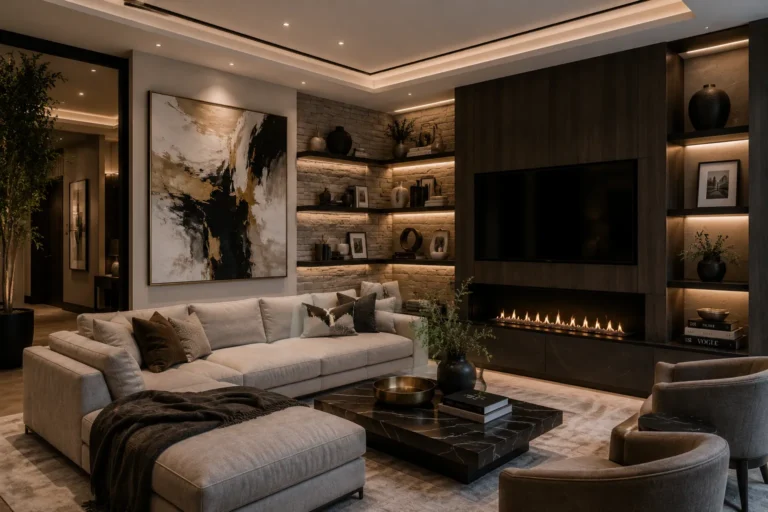
Deep colors like black, navy, and burgundy create a dramatic and sophisticated look.
Pastel and Soft Aesthetic

Light pinks, blues, and purples create a soothing and dreamy atmosphere.
Abstract and Artistic Backgrounds
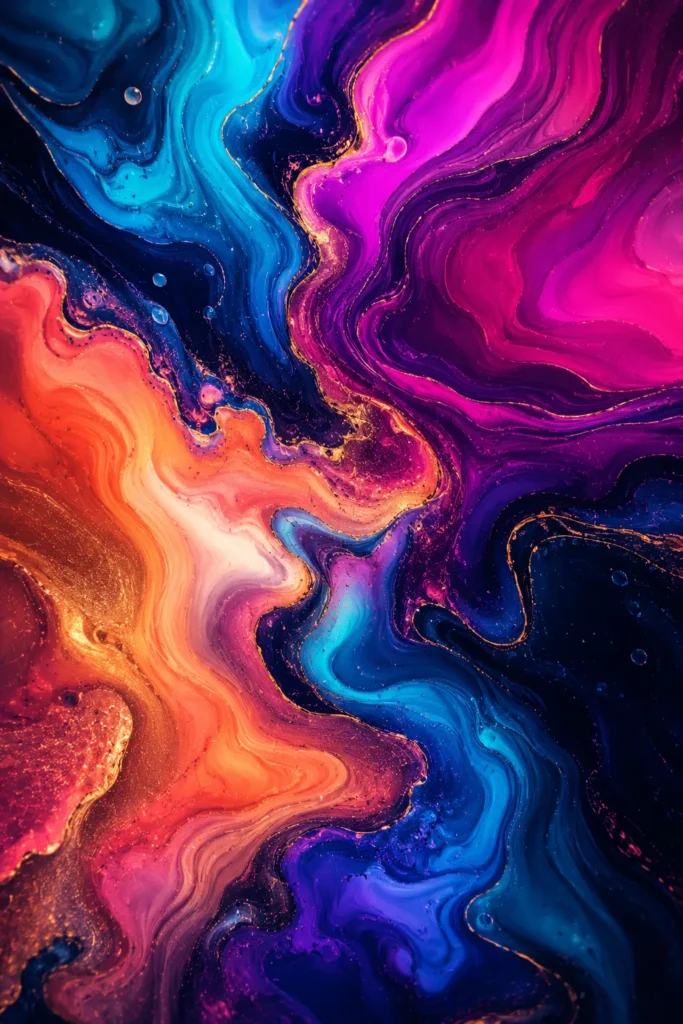
These include geometric patterns, fluid art, and creative textures that add a modern and unique touch.
How to Choose the Perfect Aesthetic Background
Selecting the right aesthetic background depends on your purpose and personal preference. Here are some tips to guide you:
Understand Your Purpose
Ask yourself where you will use the background:
- Phone wallpaper
- Desktop screen
- Social media content
- Website design
Each use may require a different style.
Consider Color Psychology
Colors play a significant role in how a background feels:
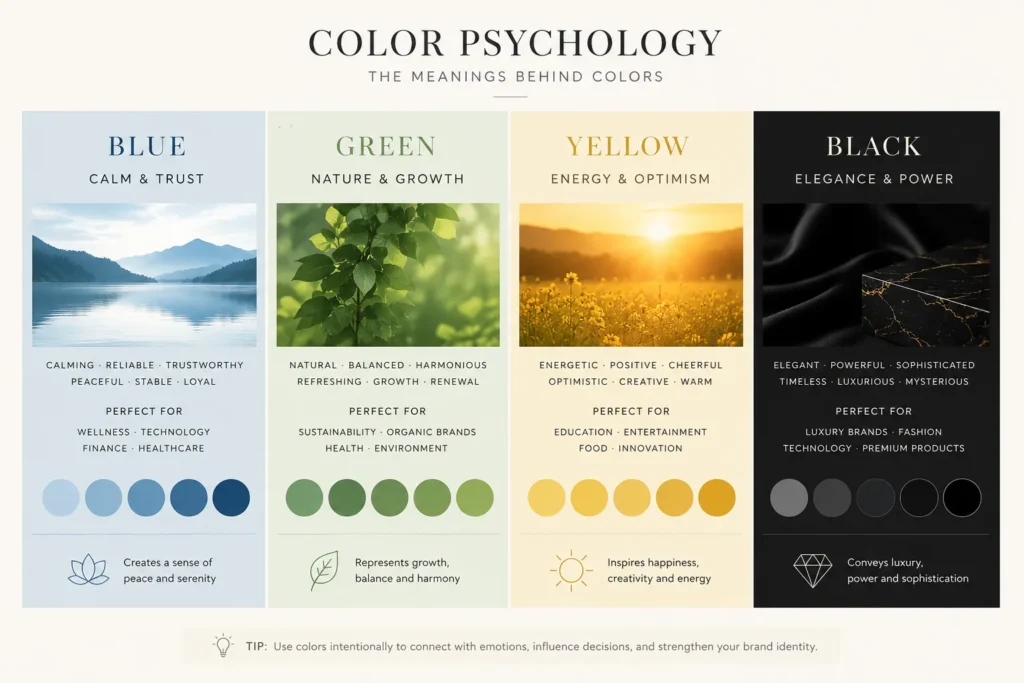
- Blue: Calm and focused
- Green: Fresh and natural
- Yellow: Energetic and cheerful
- Black: Elegant and powerful
Keep It Functional
For screens, ensure that icons and text remain visible. Avoid overly busy designs if readability is important.
Match Your Personality
Choose something that resonates with you. Aesthetic backgrounds are personal—there’s no “one-size-fits-all.”
Creating Your Own Aesthetic Backgrounds
If you want something truly unique, creating your own aesthetic background is a great option.
Step 1: Choose a Theme
Decide the mood you want to convey:
- Calm and relaxing
- Bold and energetic
- Artistic and abstract
Step 2: Select Colors
Stick to a color palette of 2–4 colors to maintain harmony.
Step 3: Add Textures or Elements
Incorporate patterns, gradients, or images that enhance the theme.
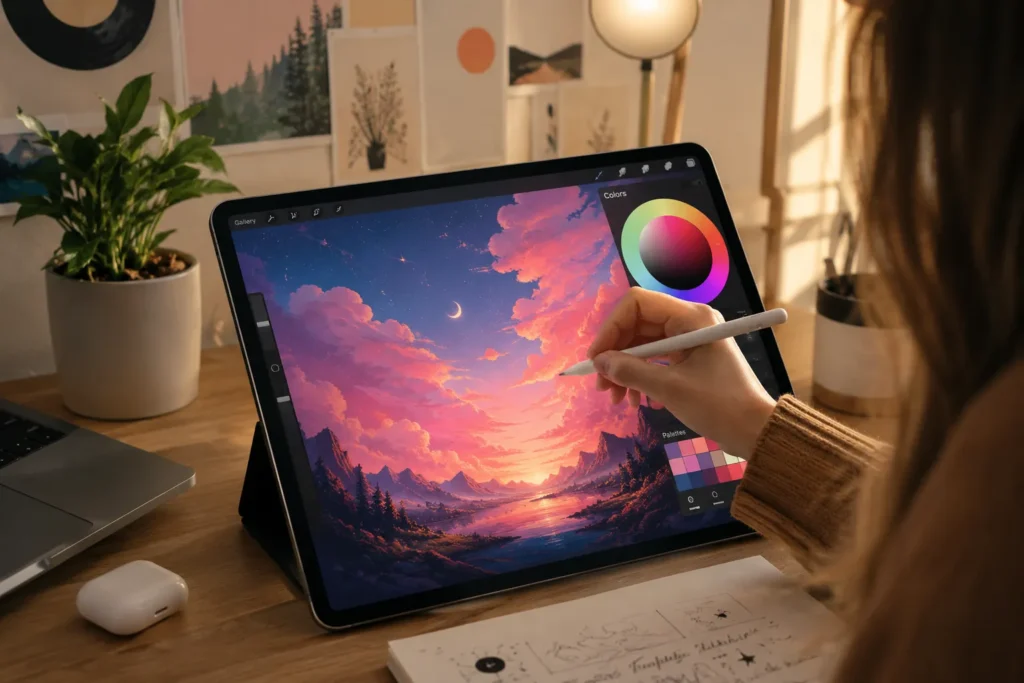
Step 4: Use Design Tools
You can use tools like:
- Canva
- Photoshop
- Procreate
Step 5: Keep It Balanced
Avoid overcrowding. Simplicity often leads to the most effective aesthetic backgrounds.
Aesthetic Backgrounds for Different Uses
For Mobile Phones
Choose vertical designs with minimal distractions. Soft gradients or simple patterns work best.
For Desktop Screens
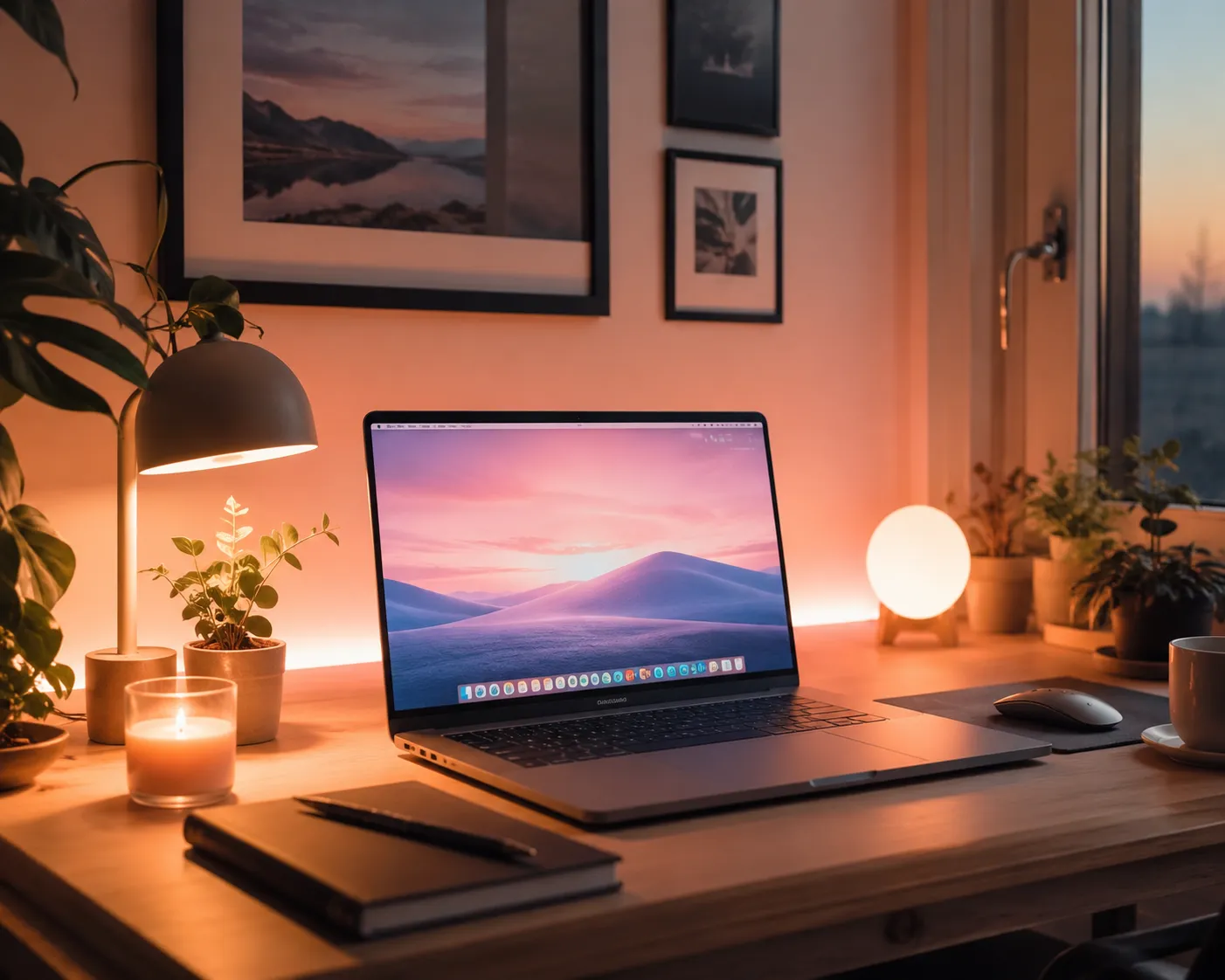
Go for widescreen layouts with subtle designs that don’t interfere with icons.
For Social Media
Bold and eye-catching backgrounds are ideal for grabbing attention.
For Websites
Consistency is key. Use backgrounds that align with your brand identity.
Trends in Aesthetic Backgrounds
Design trends evolve, and aesthetic backgrounds are no exception. Here are some current trends:
Gradient Blends
Smooth transitions between colors create a modern and polished look.
Digital Art and AI Designs
Unique, futuristic visuals are becoming increasingly popular.

Nature + Minimalism
Combining natural elements with clean layouts offers a balanced aesthetic.
Textured Backgrounds
Paper, fabric, and grain textures add depth and realism.
Common Mistakes to Avoid
Even though aesthetic backgrounds are about creativity, there are some pitfalls to watch out for:
- Overcomplicating the design
- Using clashing colors
- Ignoring resolution and quality
- Choosing style over functionality
A good background should be both beautiful and practical.
Tips to Make Your Background Stand Out
- Use high-resolution images
- Stick to a consistent theme
- Experiment with lighting and shadows
- Add subtle details instead of bold clutter
- Test how it looks on different devices
The Future of Aesthetic Backgrounds
As technology evolves, aesthetic backgrounds are becoming more interactive and personalized. From animated wallpapers to AI-generated designs, the possibilities are endless.
We can expect:
- More dynamic and motion-based backgrounds
- Personalized designs based on user preferences
- Integration with smart devices
The future of design is not just visual—it’s experiential.

Conclusion
Aesthetic backgrounds are more than just decorative elements—they are a reflection of personality, creativity, and purpose. Whether you’re customizing your device, building a brand, or simply exploring your artistic side, the right background can make a powerful impact.
By understanding styles, choosing wisely, and even creating your own, you can elevate your digital spaces and make them truly yours. The beauty of aesthetic backgrounds lies in their versatility—there’s always something for everyone.
FAQs
1. What are aesthetic backgrounds used for?
Aesthetic backgrounds are used for phone wallpapers, desktops, social media designs, websites, and creative projects to enhance visual appeal.
2. How do I choose the best aesthetic background?
Choose based on your purpose, preferred colors, and functionality. Ensure it matches your style and does not affect readability.
3. Can I create my own aesthetic background?
Yes, you can use design tools like Canva or Photoshop to create personalized aesthetic backgrounds.
4. What colors work best for aesthetic backgrounds?
It depends on the mood—pastels for calmness, dark tones for elegance, and bright colors for energy.
5. Are aesthetic backgrounds still trending?
Yes, they continue to evolve with new styles like gradients, digital art, and minimalist designs